Guardians of Mount Sinai
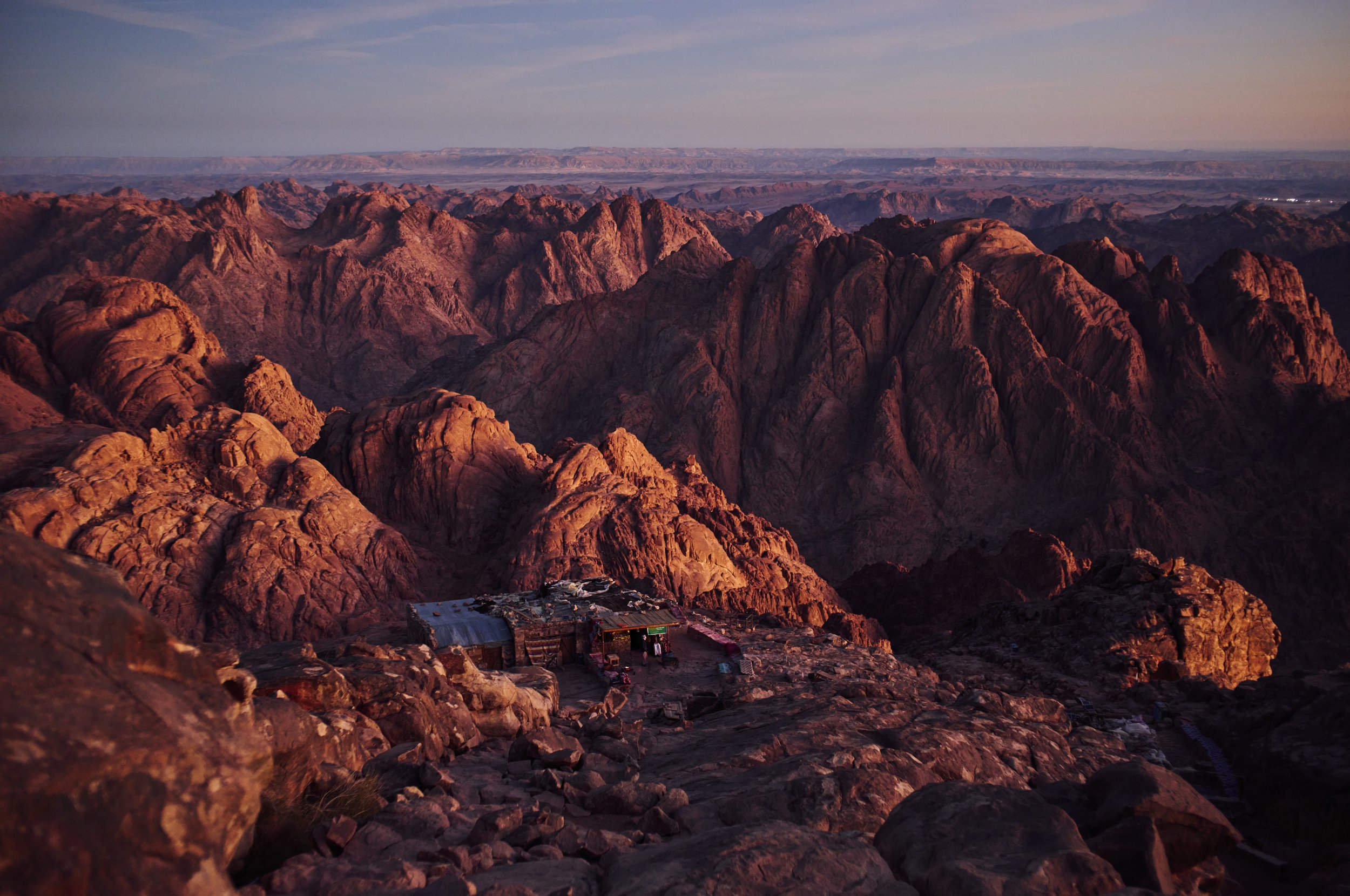
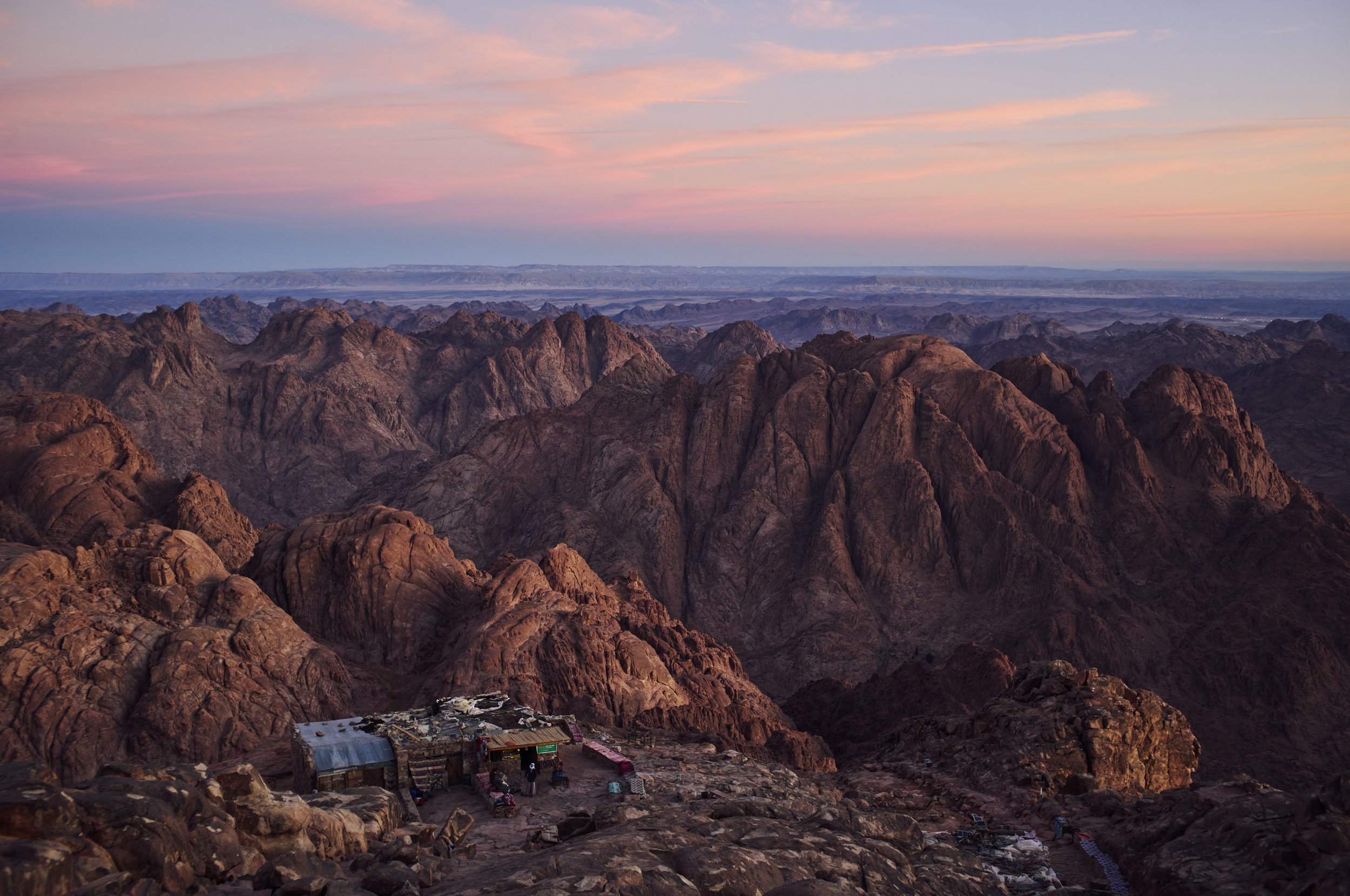
The Sinai Peninsula, a region of crucial geographical and historical importance, has for millennia been a crossroads of cultures, religions, and ancient traditions. Its position between Africa and Asia, along with its proximity to major religious centres, has made this peninsula a place of extraordinary significance for Judaism, Christianity, and Islam, as well as a home to various Bedouin communities. The Saint Catherine's Monastery stands as one of the most emblematic examples of how Sinai has, over time, been a centre of spirituality and a meeting point between different religious traditions.
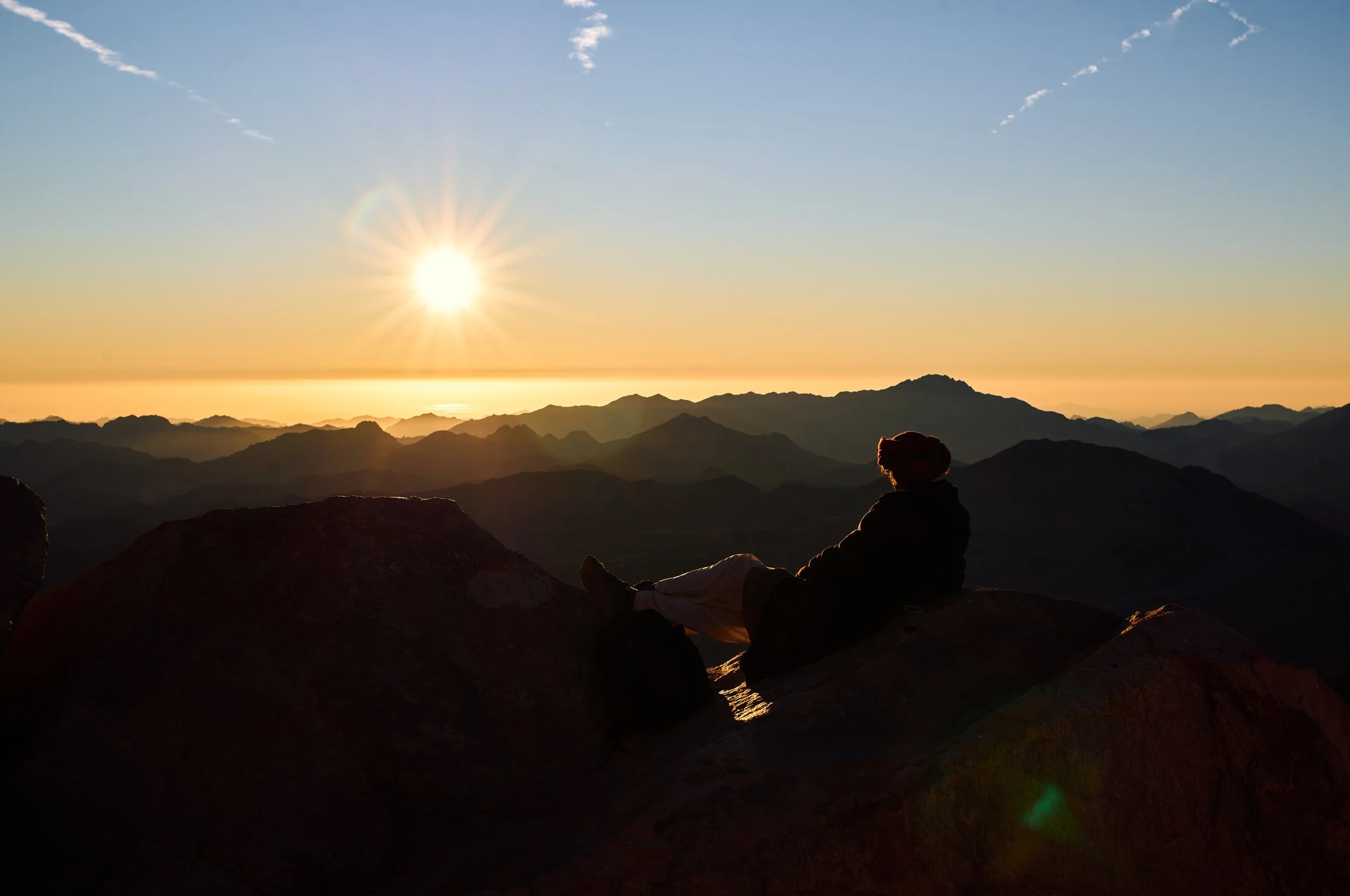
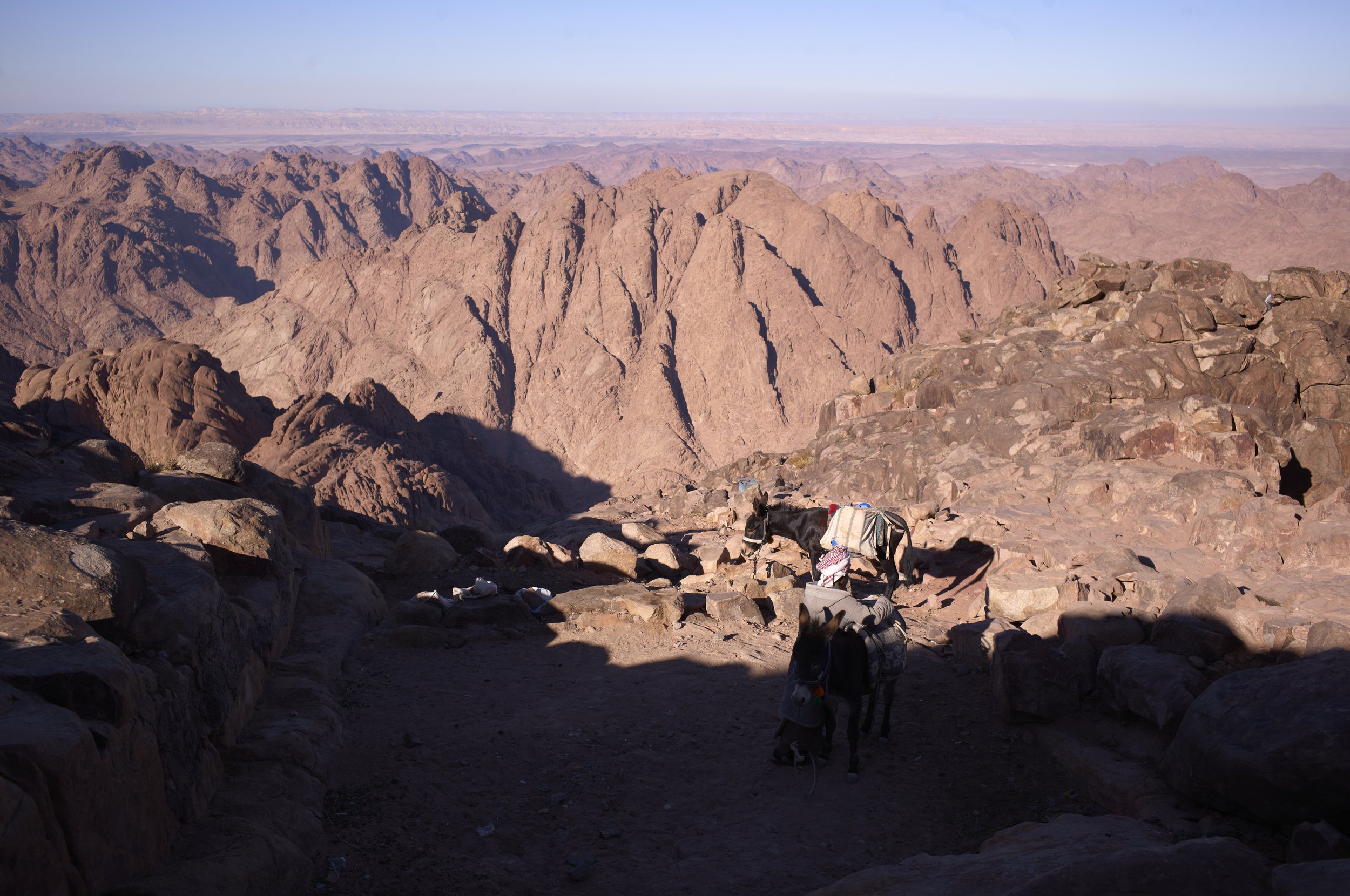
In Judaism, Sinai is known above all as the place where Moses received the Tablets of the Law from God. The mountain, also known as Jebel Musa (Mount of Moses), is considered sacred and marks a fundamental stage in the journey of the people of Israel from Egypt towards the Promised Land.
For Christianity as well, Sinai holds deep significance. Saint Catherine’s Monastery, founded in the 6th century by Emperor Justinian I, is one of the oldest Christian pilgrimage sites. It is believed to have been built near the Burning Bush and to house the remains of Saint Catherine of Alexandria.
In Islam, Sinai also carries strong religious meaning, linked to the figure of the prophet Musa, who, as in Judaism, is recognised among the principal prophets.
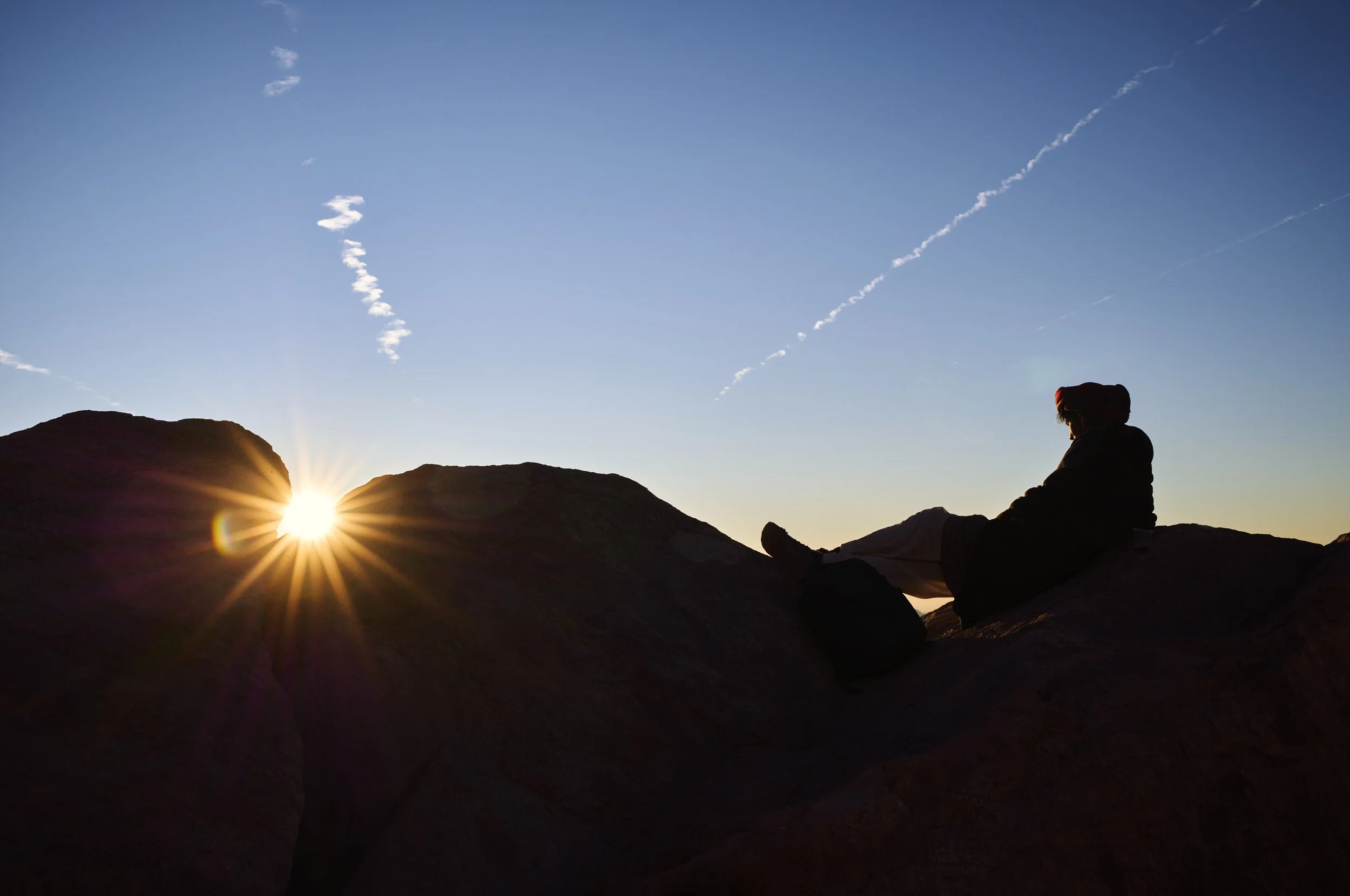
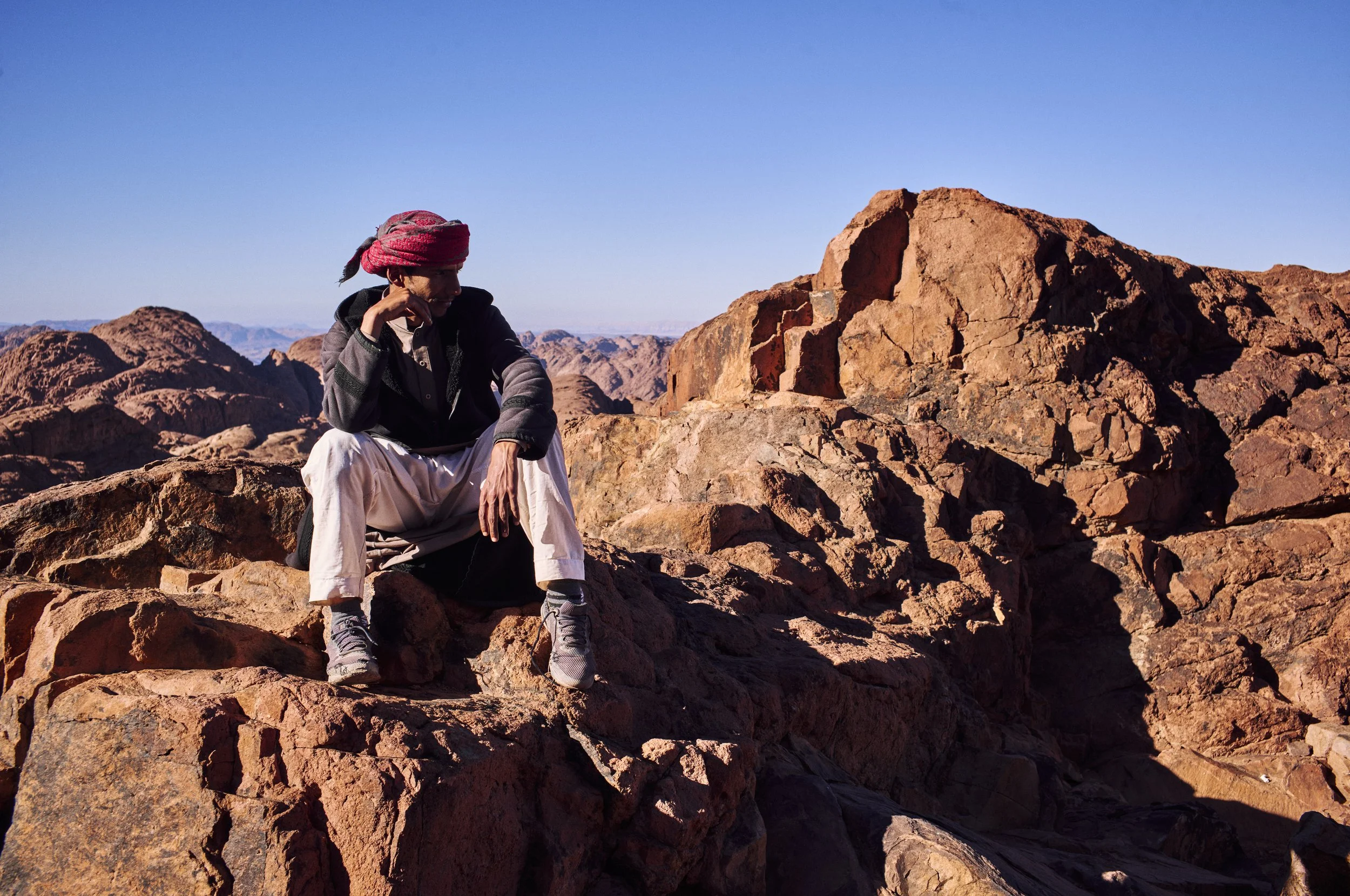
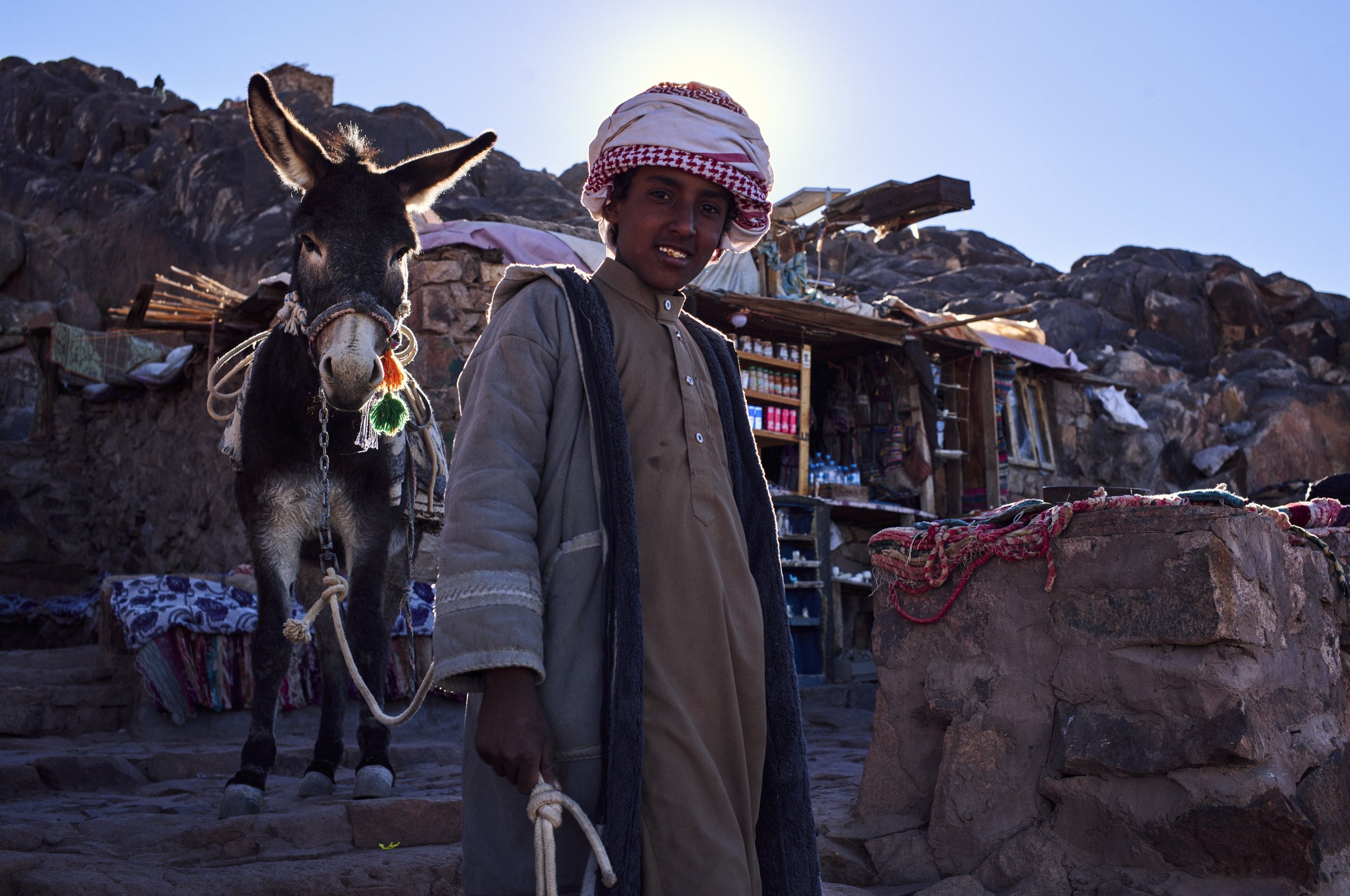
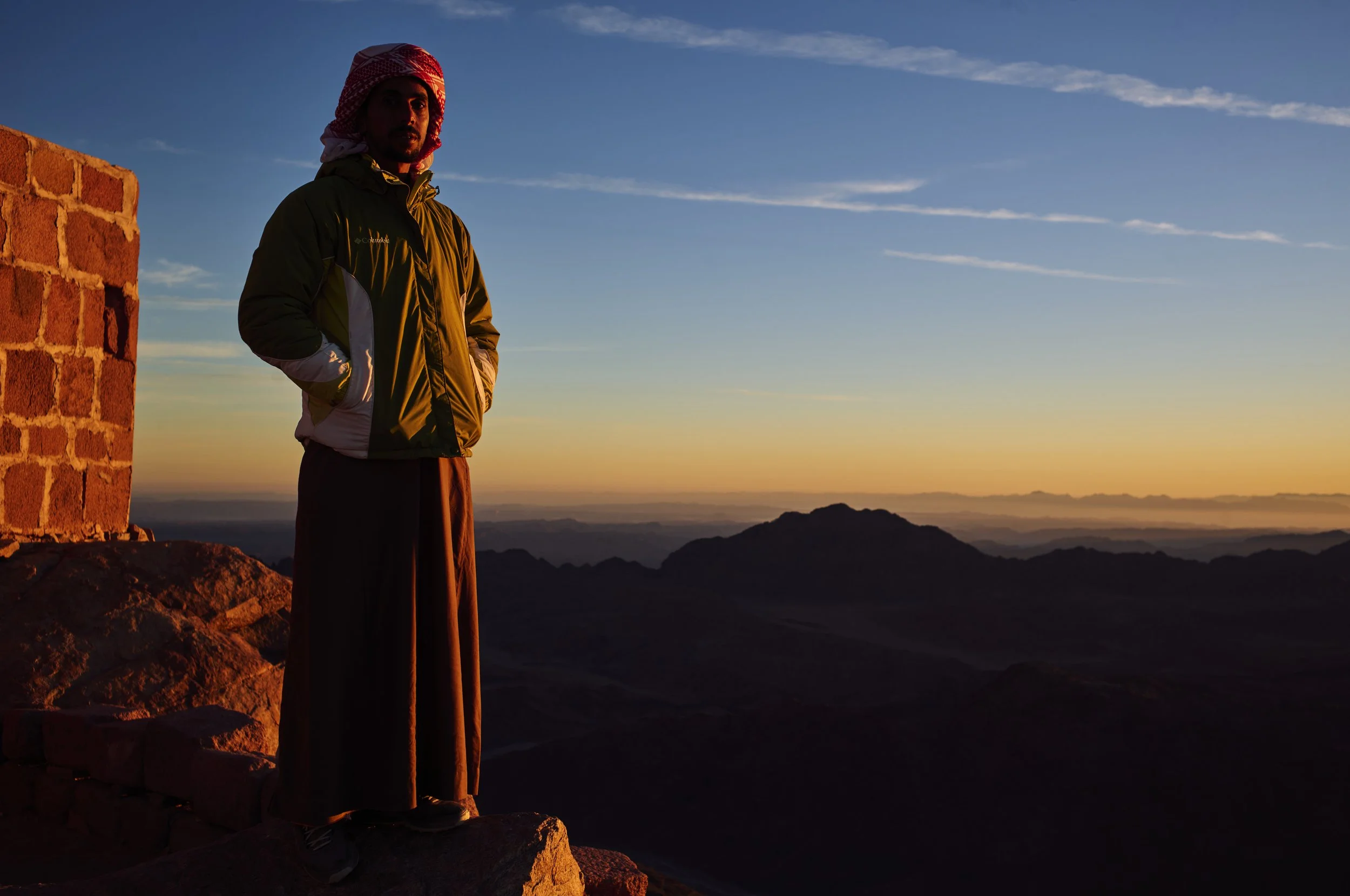
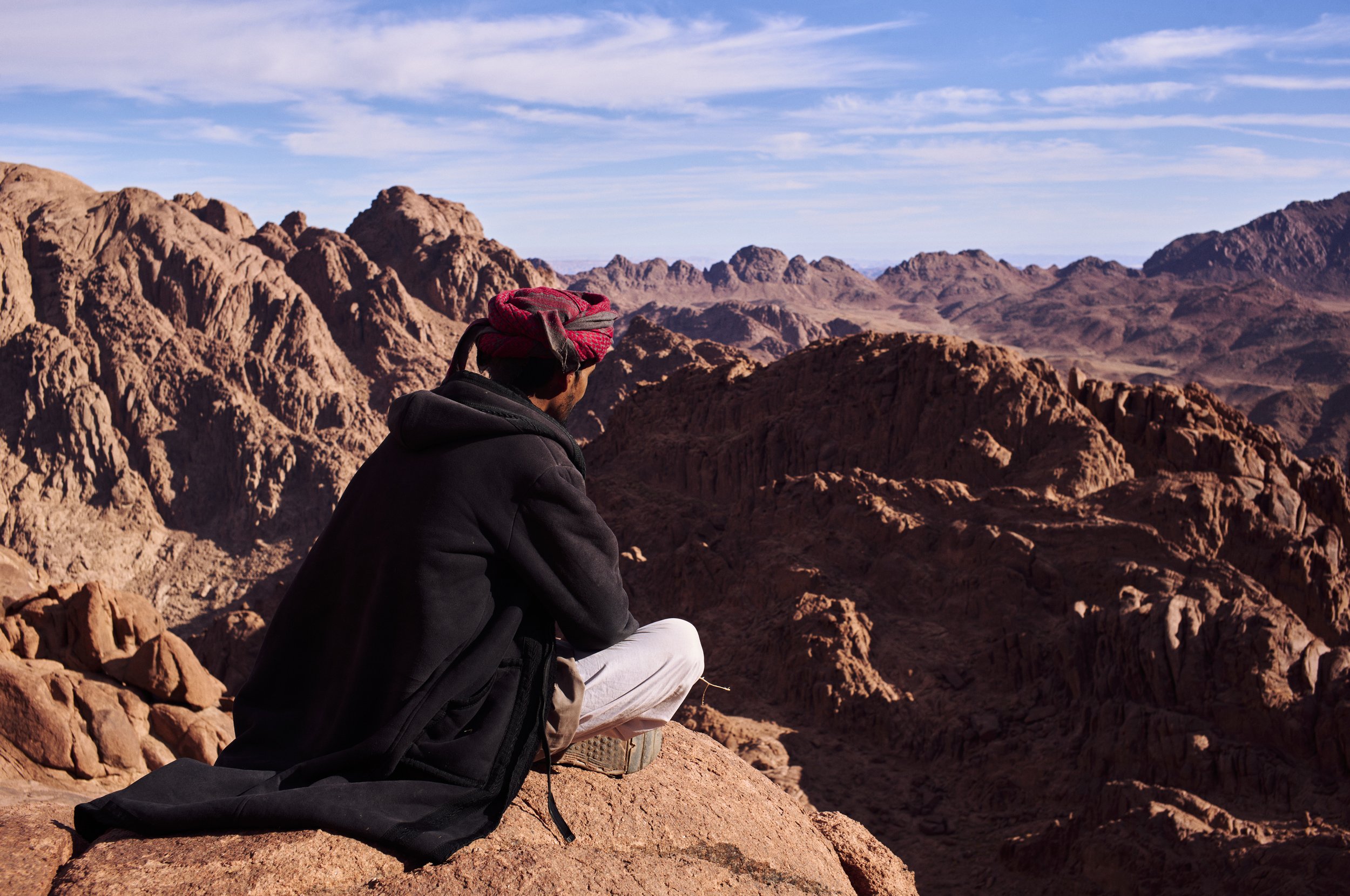
The Bedouins of Sinai, predominantly Muslim, practise a form of religiosity that intertwines elements of Sufism and popular Islam. Many of them regard the desert as a place of spiritual purification and encounter with the divine.
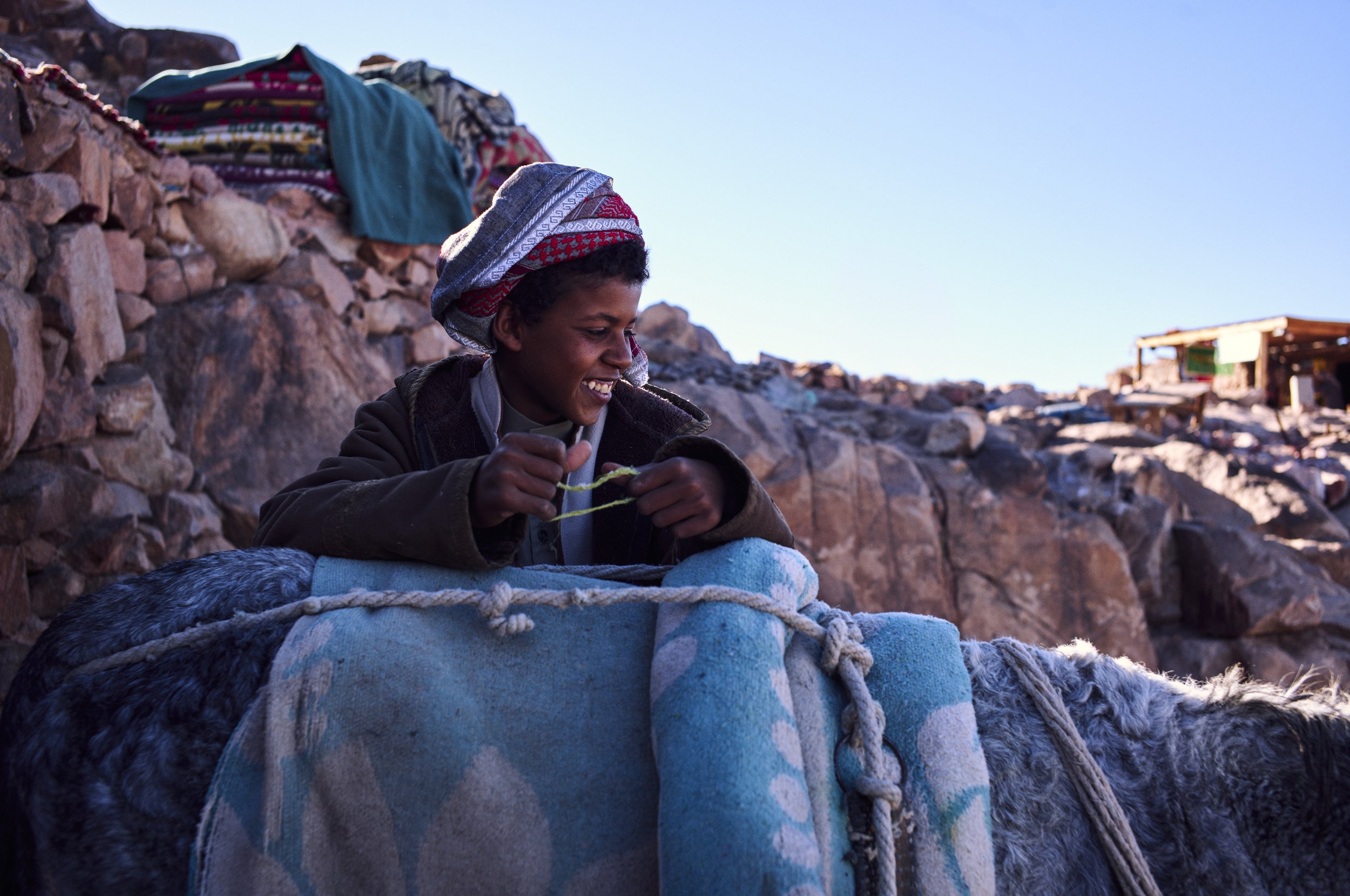
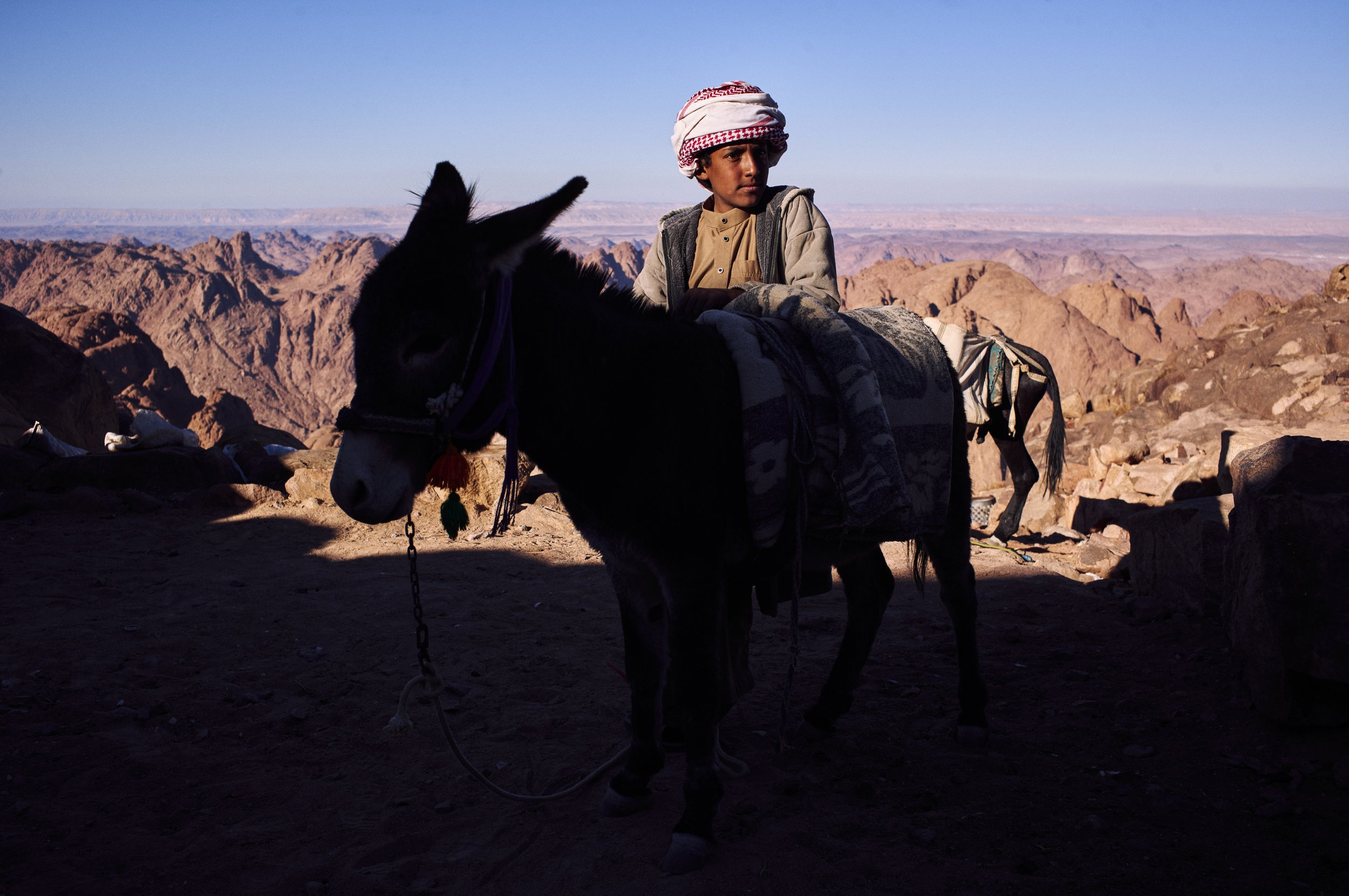
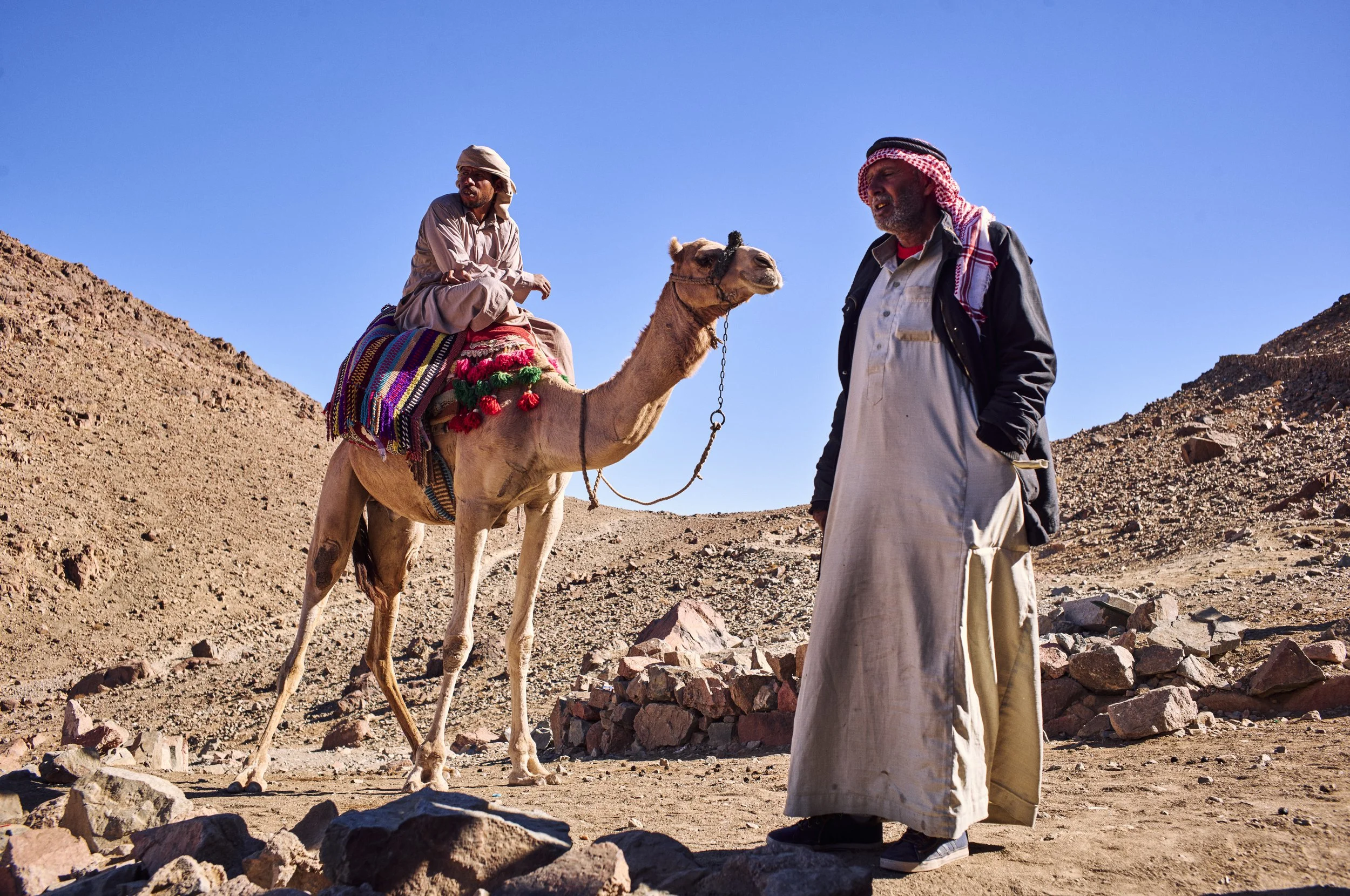
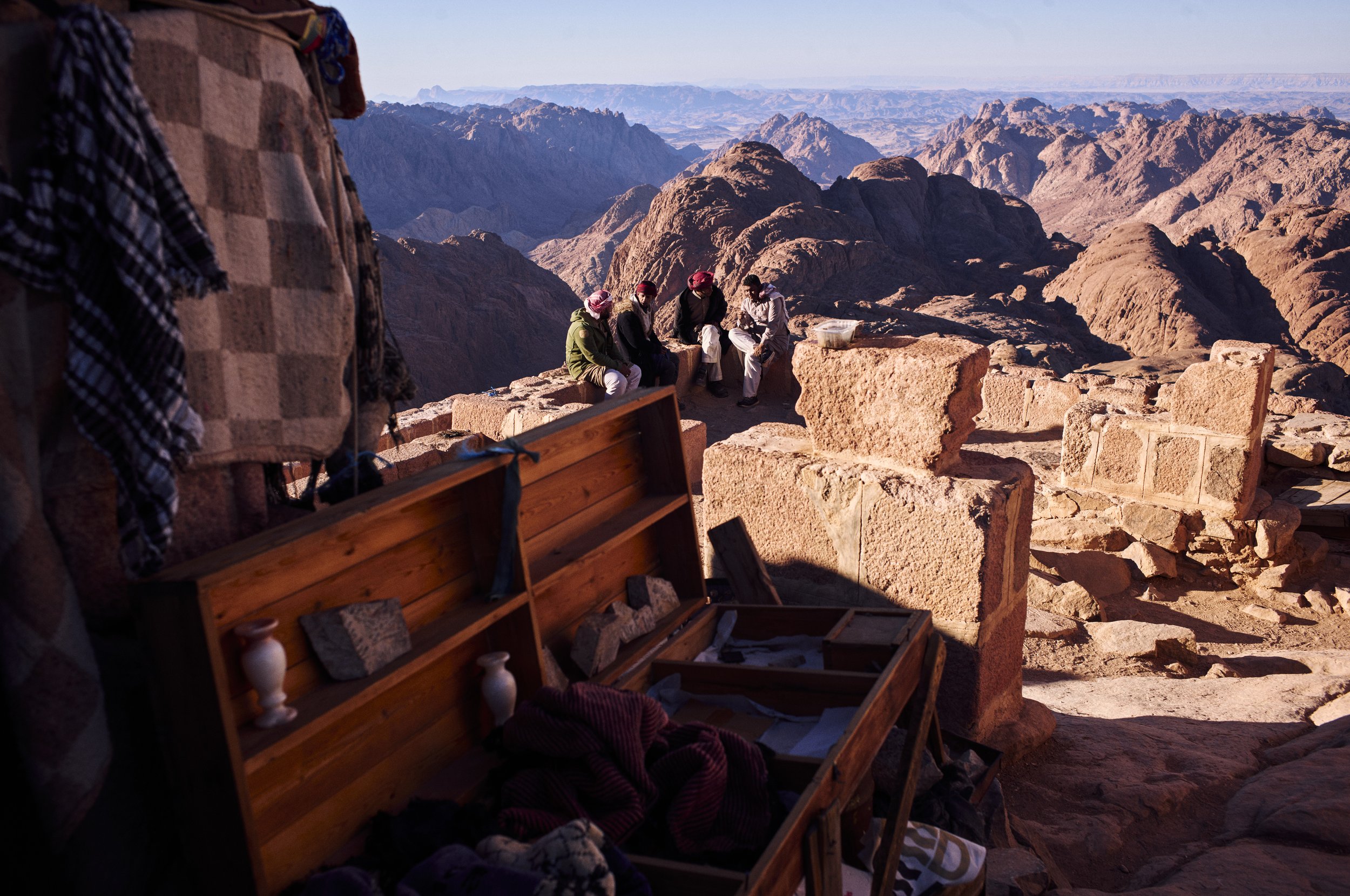
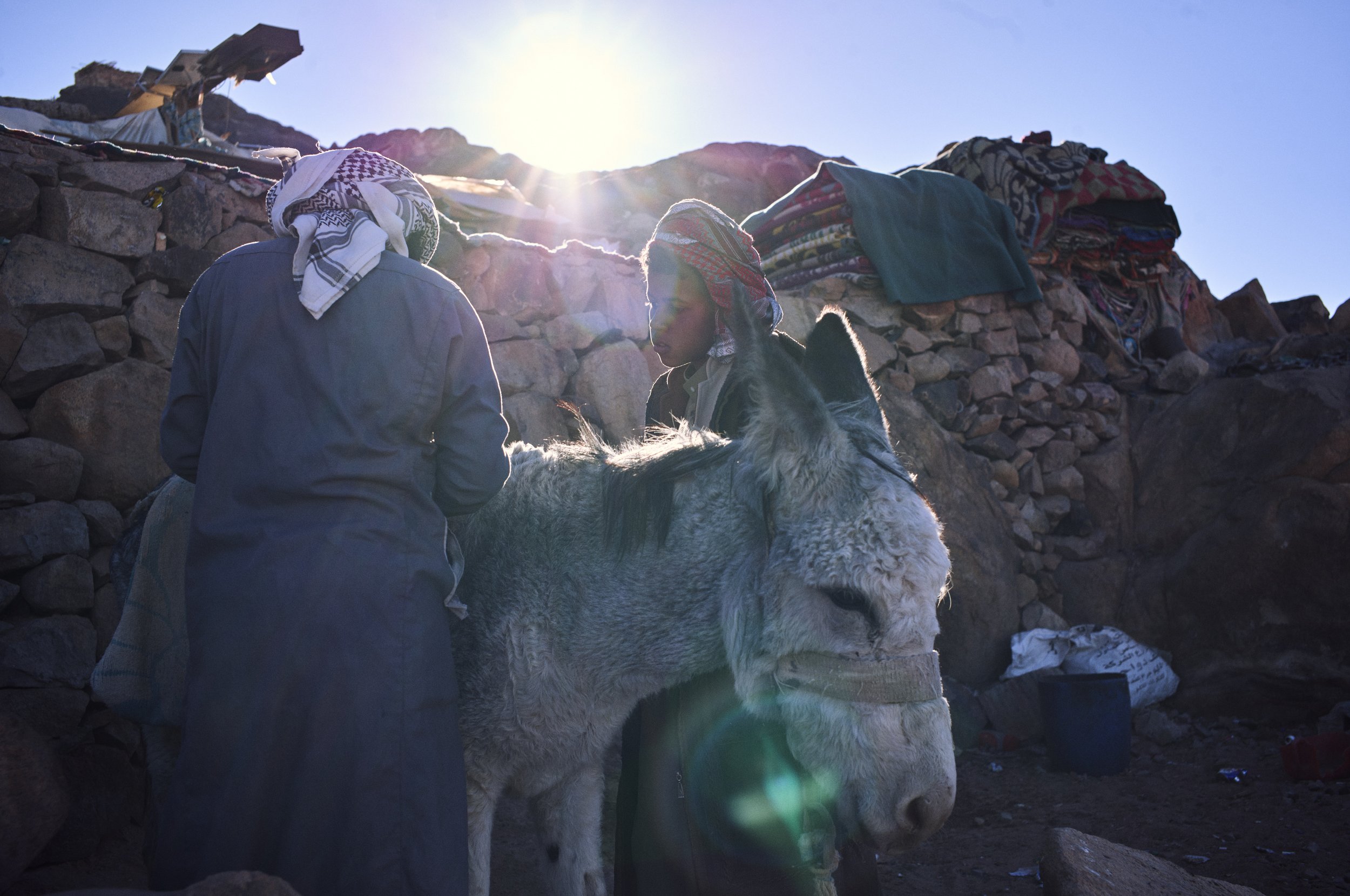
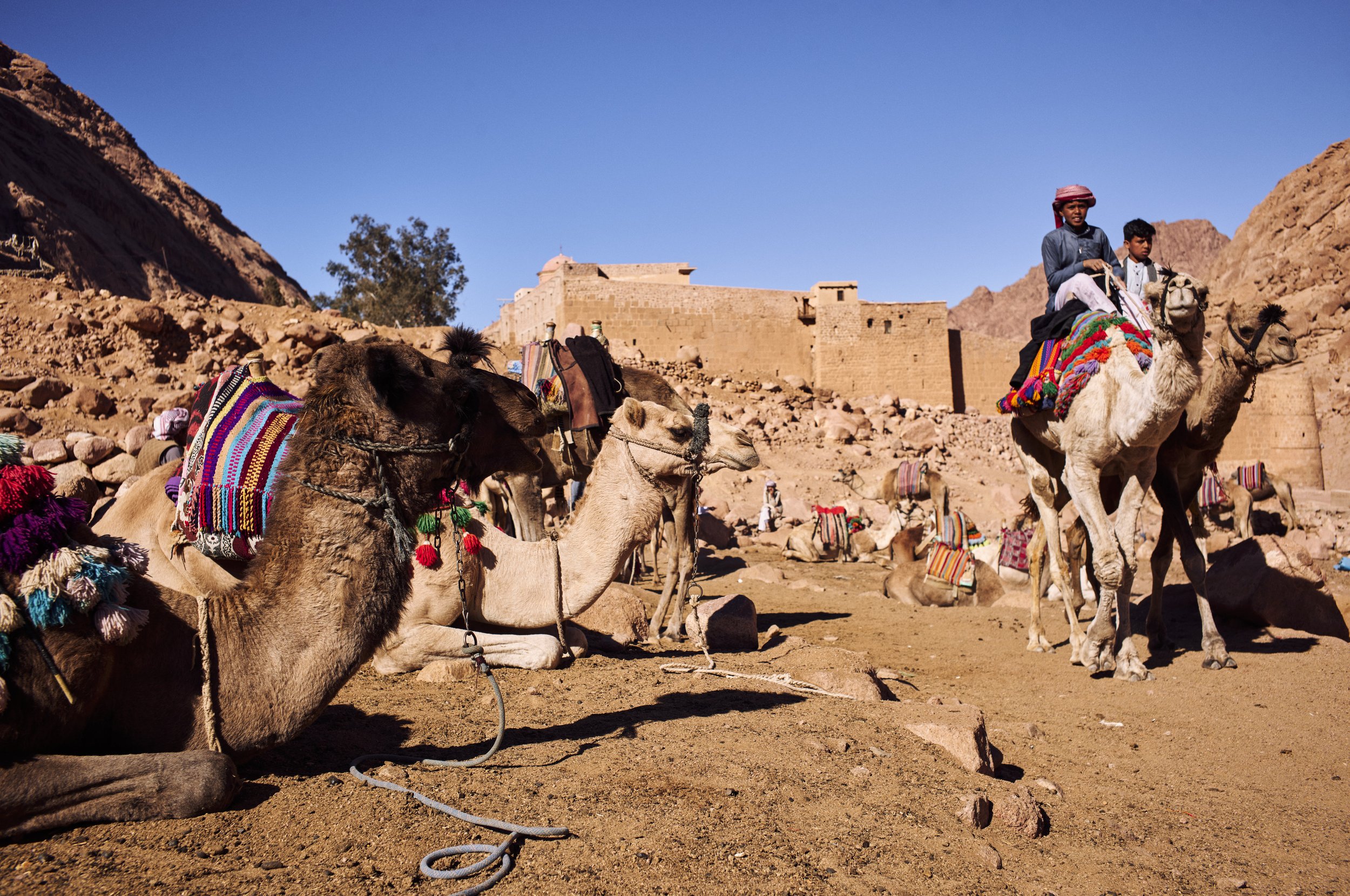
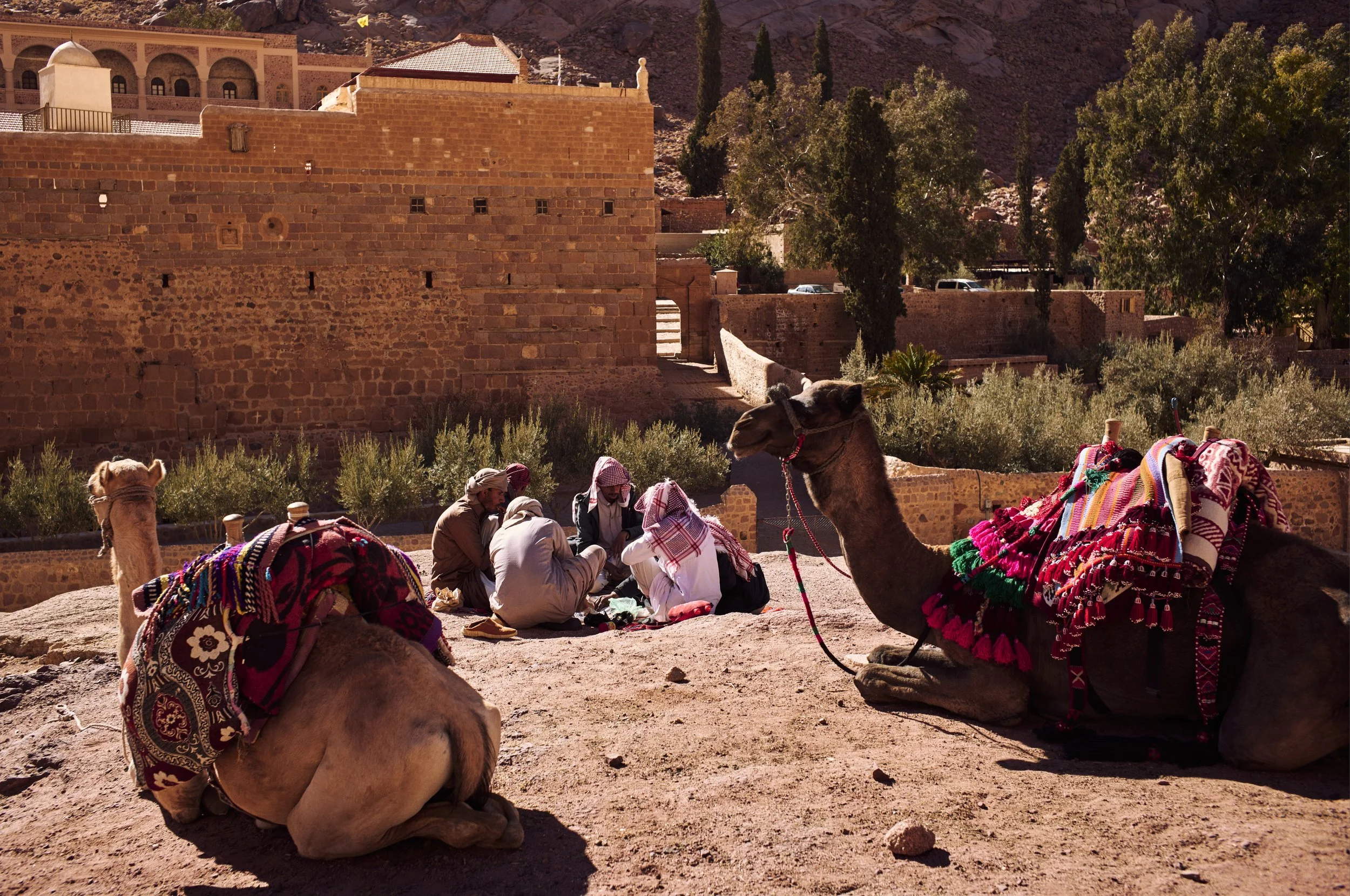
The Shibelliah tribe is the only one, among the seventeen in southern Sinai, to reside near the Saint Catherine mountain range. Originally from regions of Jordan, they settled at the foot of Jebel Musa after the vision of the Burning Bush and contributed to the construction of the monastery in this sacred place.
Although Saint Catherine’s Monastery is a Christian centre, the local Bedouins respect it as a sacred site, and some practise a form of religious syncretism, combining Islamic faith with the veneration of Christian sites and figures.
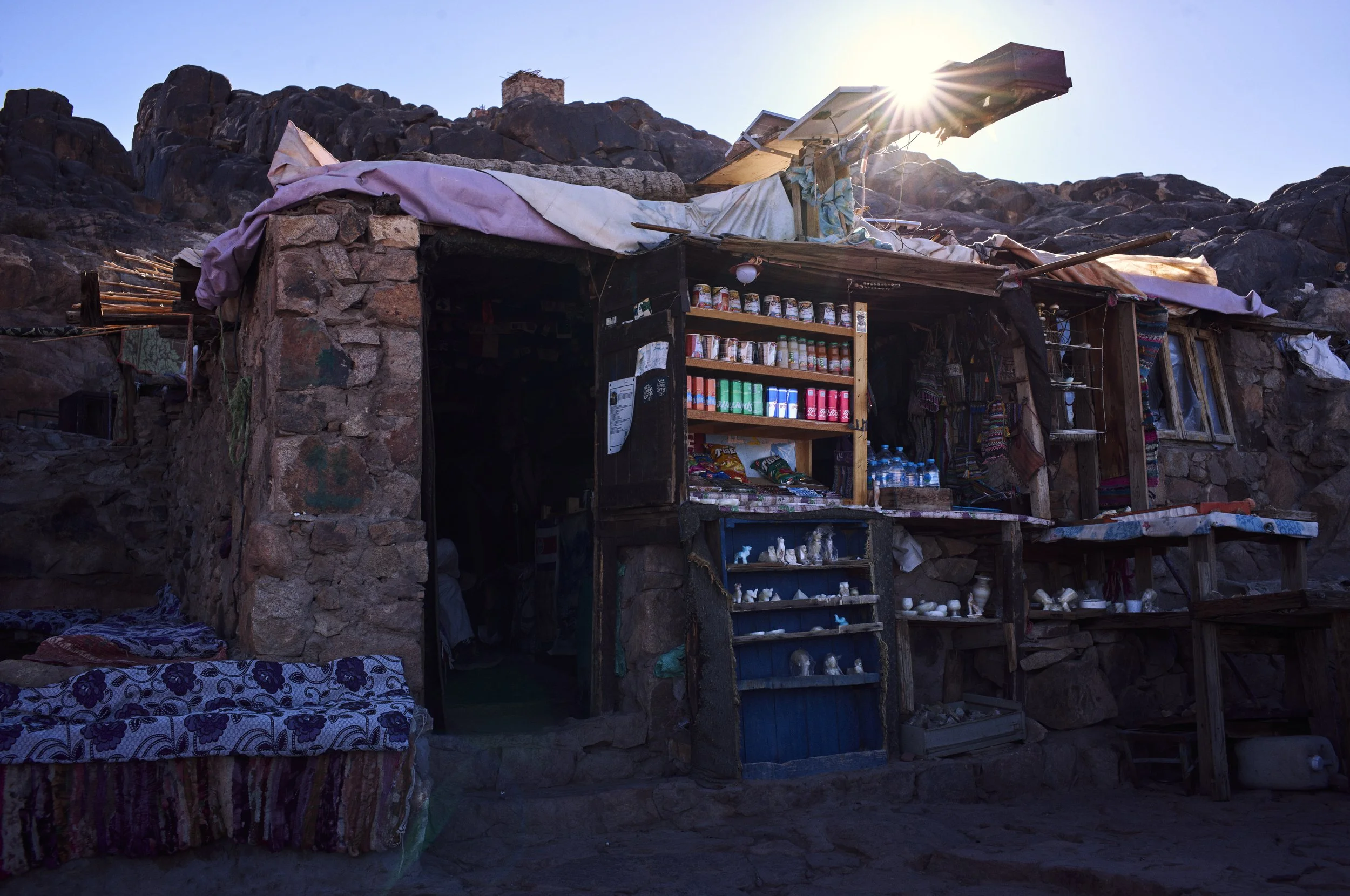
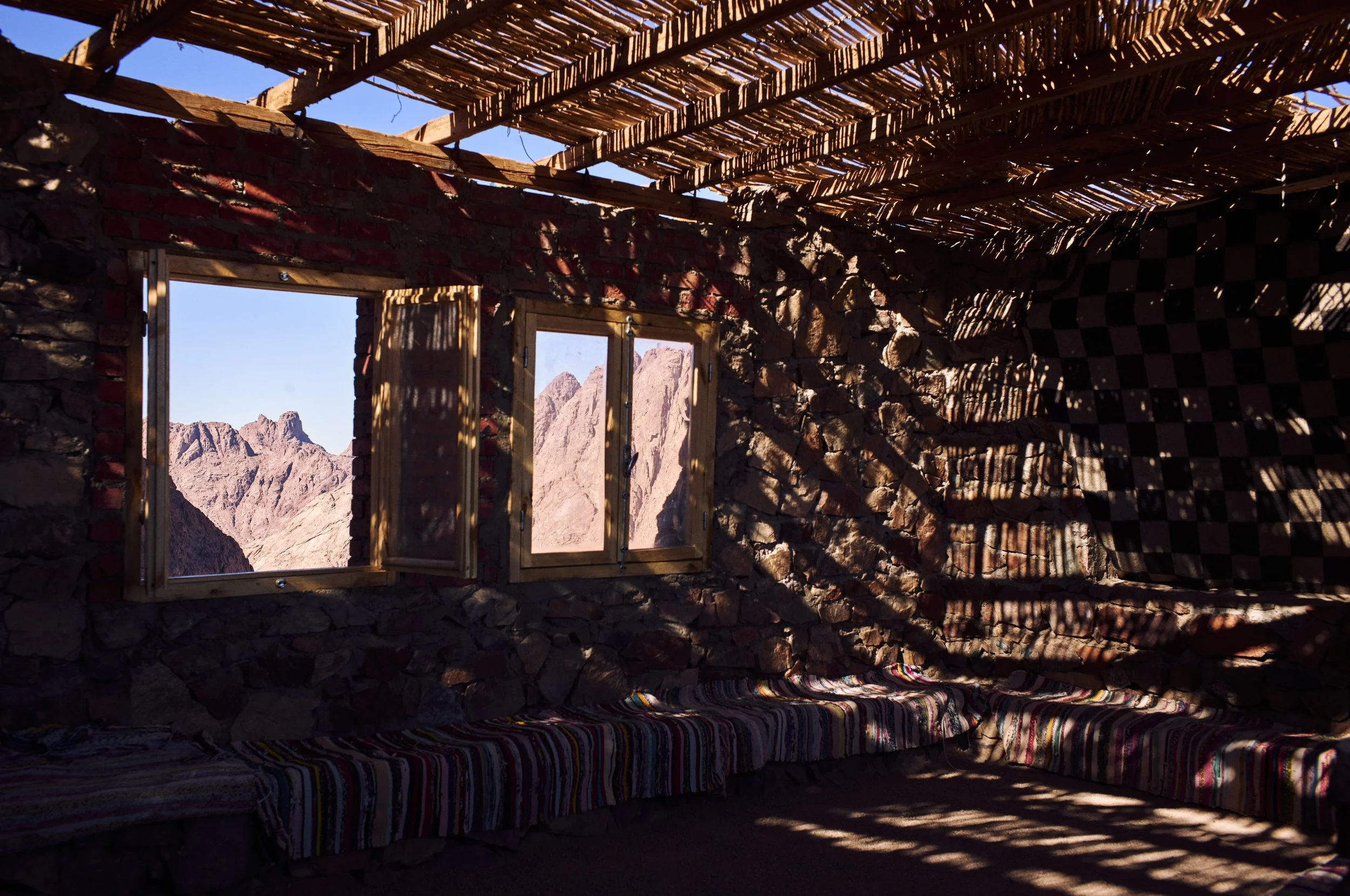
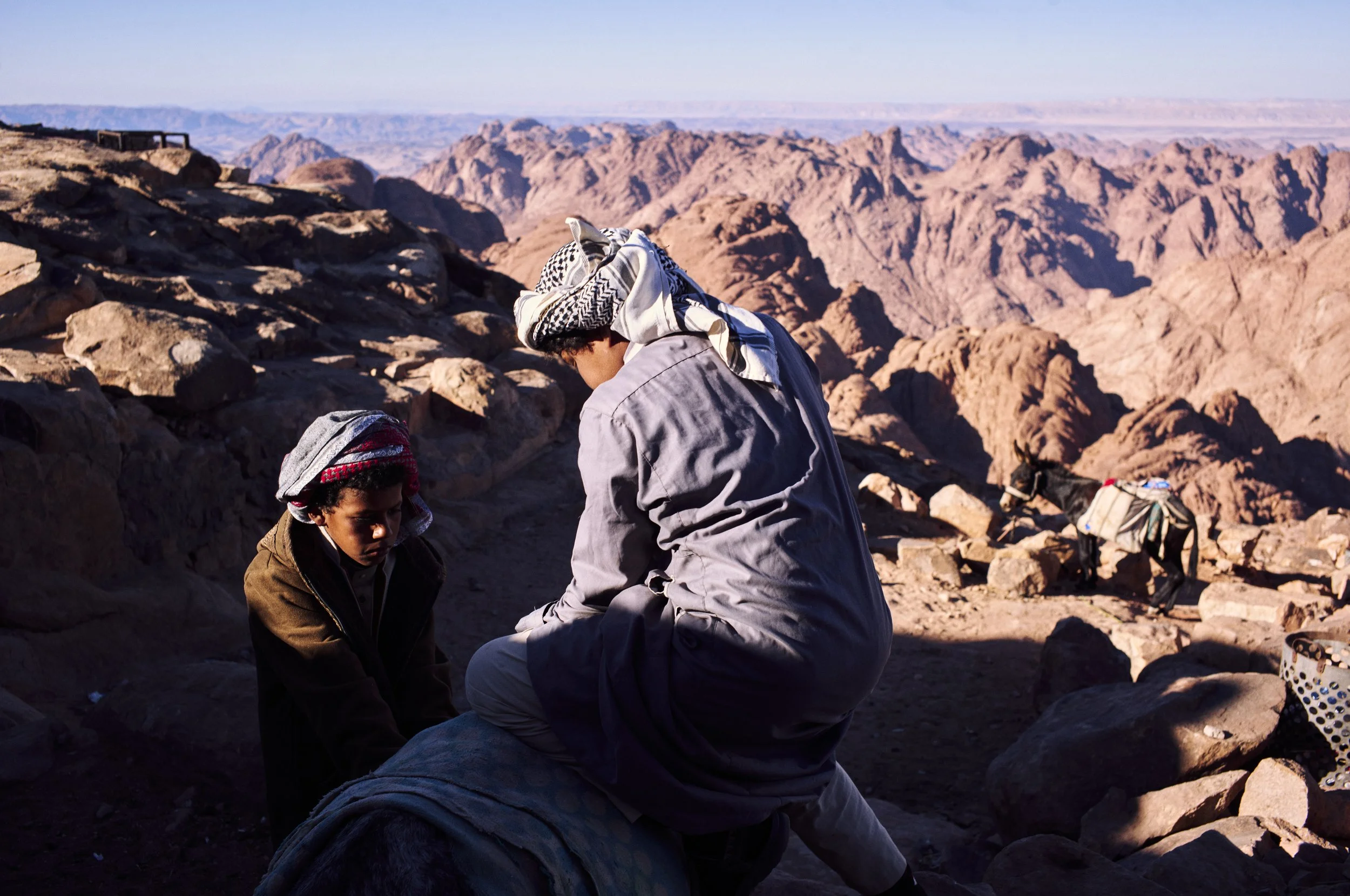
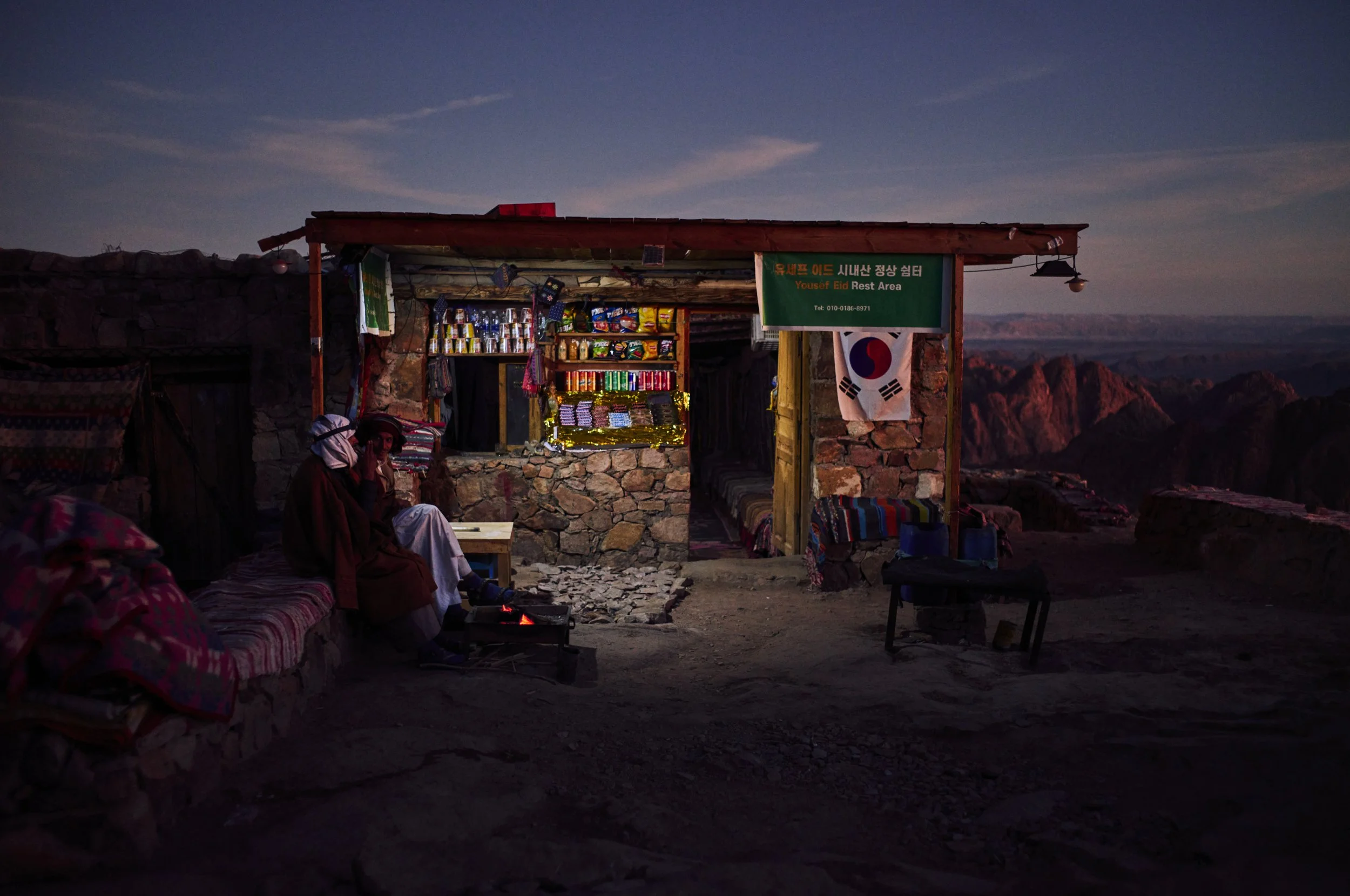
The Bedouin nomadic tradition has transformed over time, also under the influence of tourism, yet their spirituality remains deeply rooted in sacred places and local legends. The history of relations between the Sinai tribes and the monks, as well as their contribution to the protection of religious sites, constitutes a fundamental element of the region’s historical and spiritual context.
Sinai is therefore a land of encounters and convergences, where religion, history, and culture intertwine in a profound and meaningful way. Saint Catherine’s Monastery, with its symbolic position and millennia-old history, remains the beating heart of this region, an emblem of cultural and religious resilience. The presence of Bedouin tribes, including the Shibelliah, adds a further layer of complexity to this fascinating religious and cultural landscape.