Renounce the Craft?
“I remember it very well, in my village there was a long fishermen’s stall. My mother sold vegetables and I enjoyed wandering around. I loved going to the fishermen’s stall, where I would stare wide-eyed at the fish still alive. I remember a fisherman with a square face, tall, austere, the expression on his face was full of worries, his trousers rolled up to the knee. He showed strong, dark feet, his nails yellowed, as they were always immersed in the river mud. With worried eyes, he would sit on a low wall and look at his full baskets.”
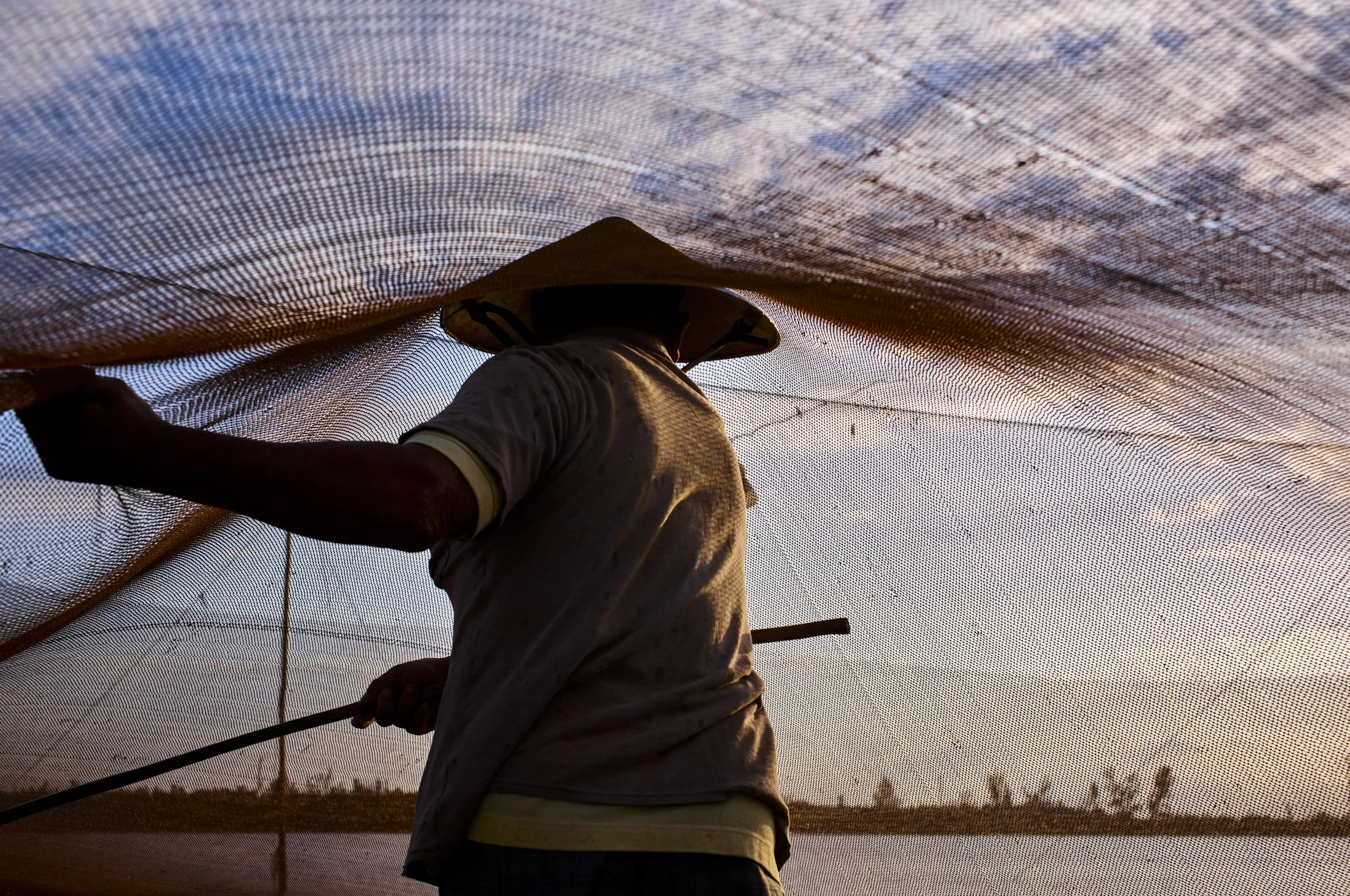
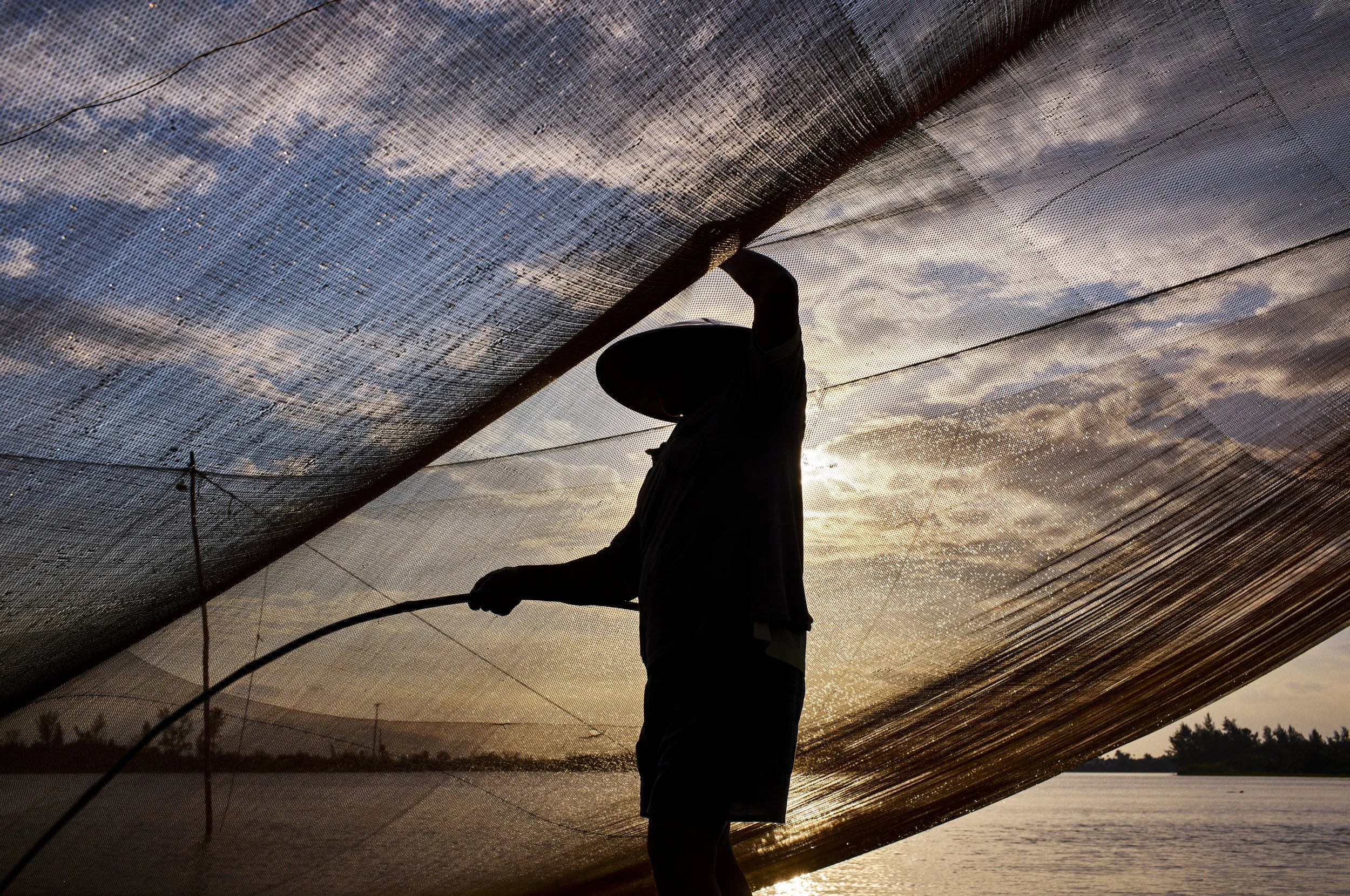
Thus, with this emotional memory, the fisherman who took me beneath his nets welcomed me onto his canoe…
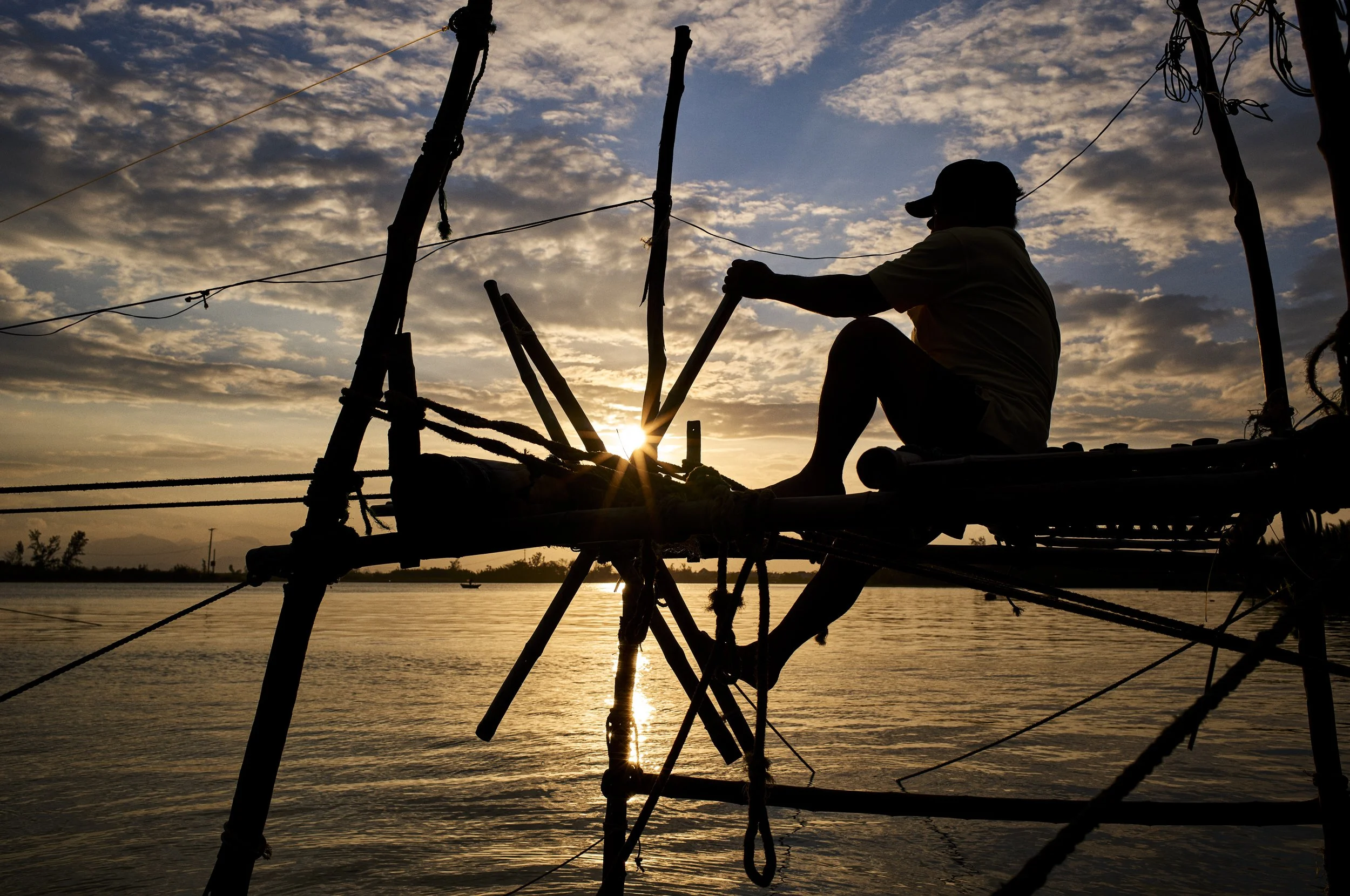
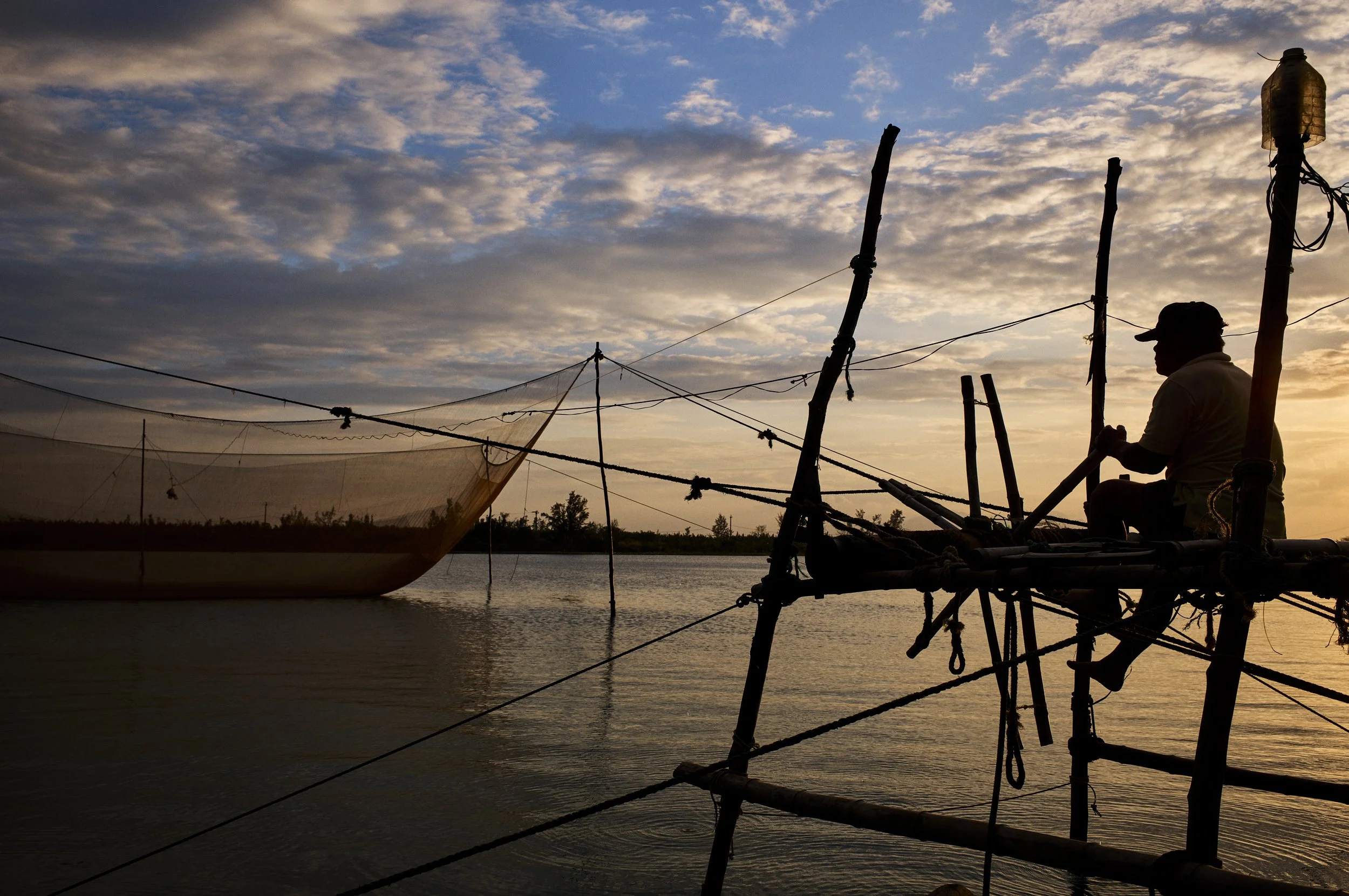
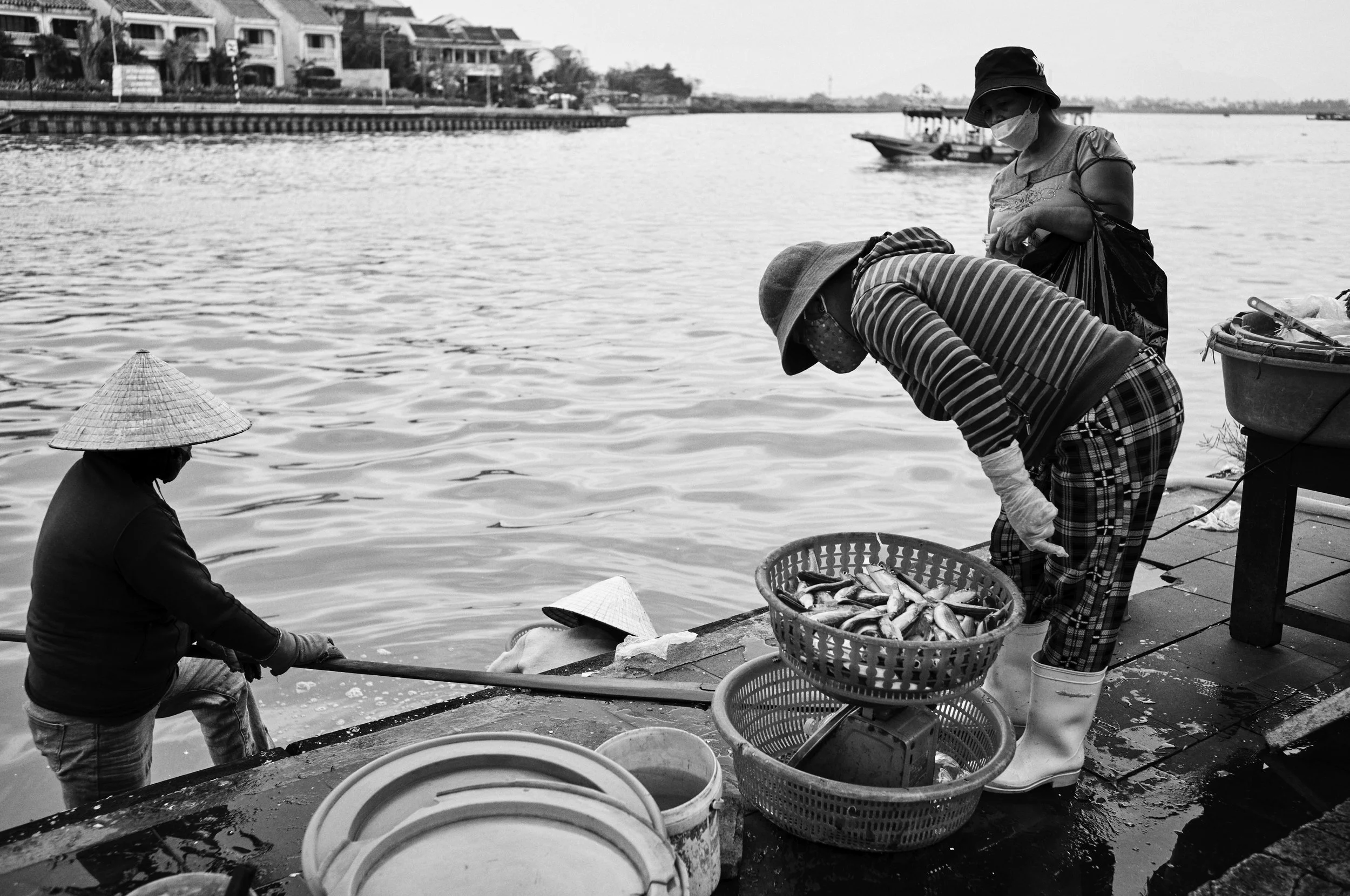
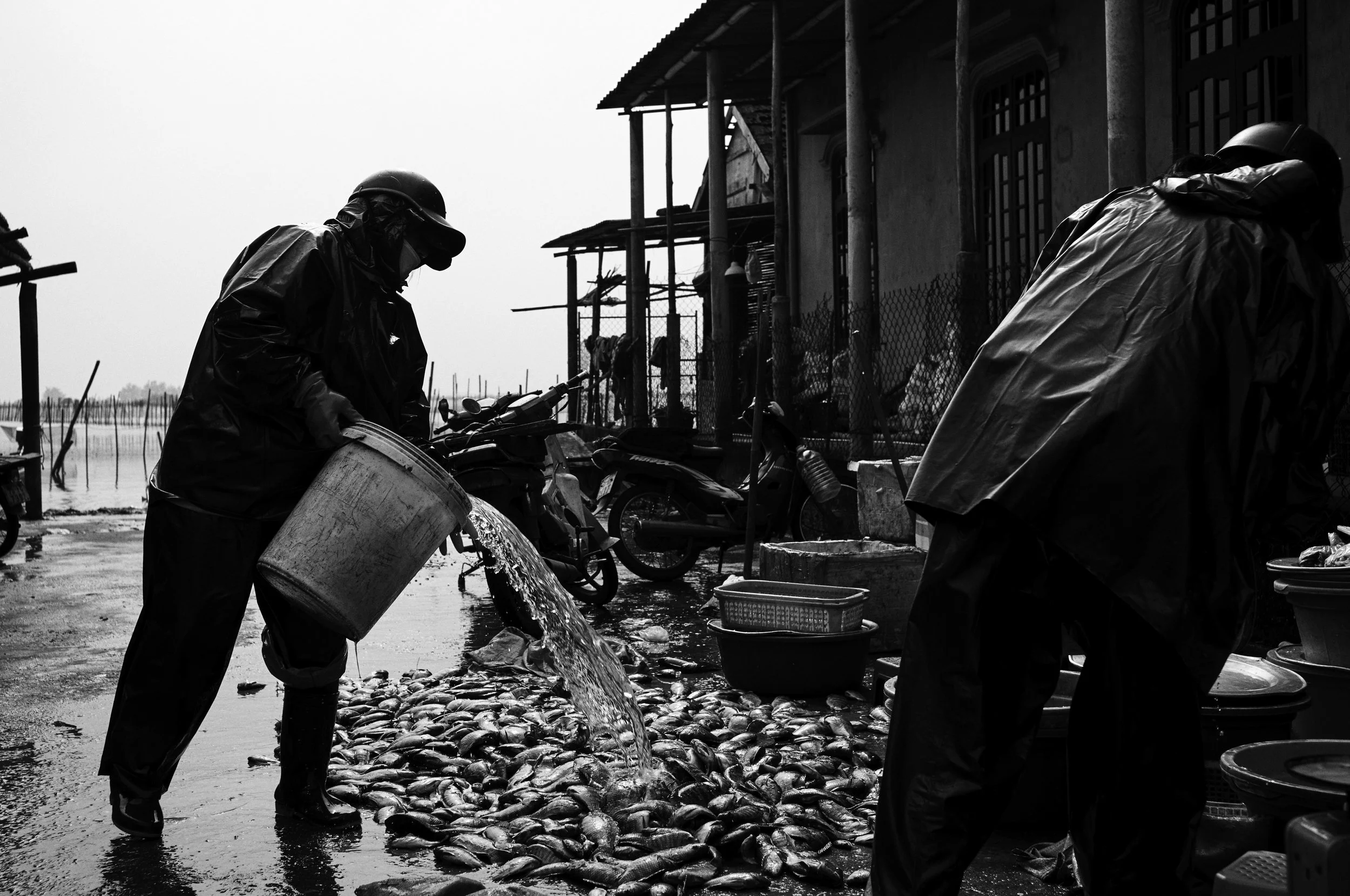
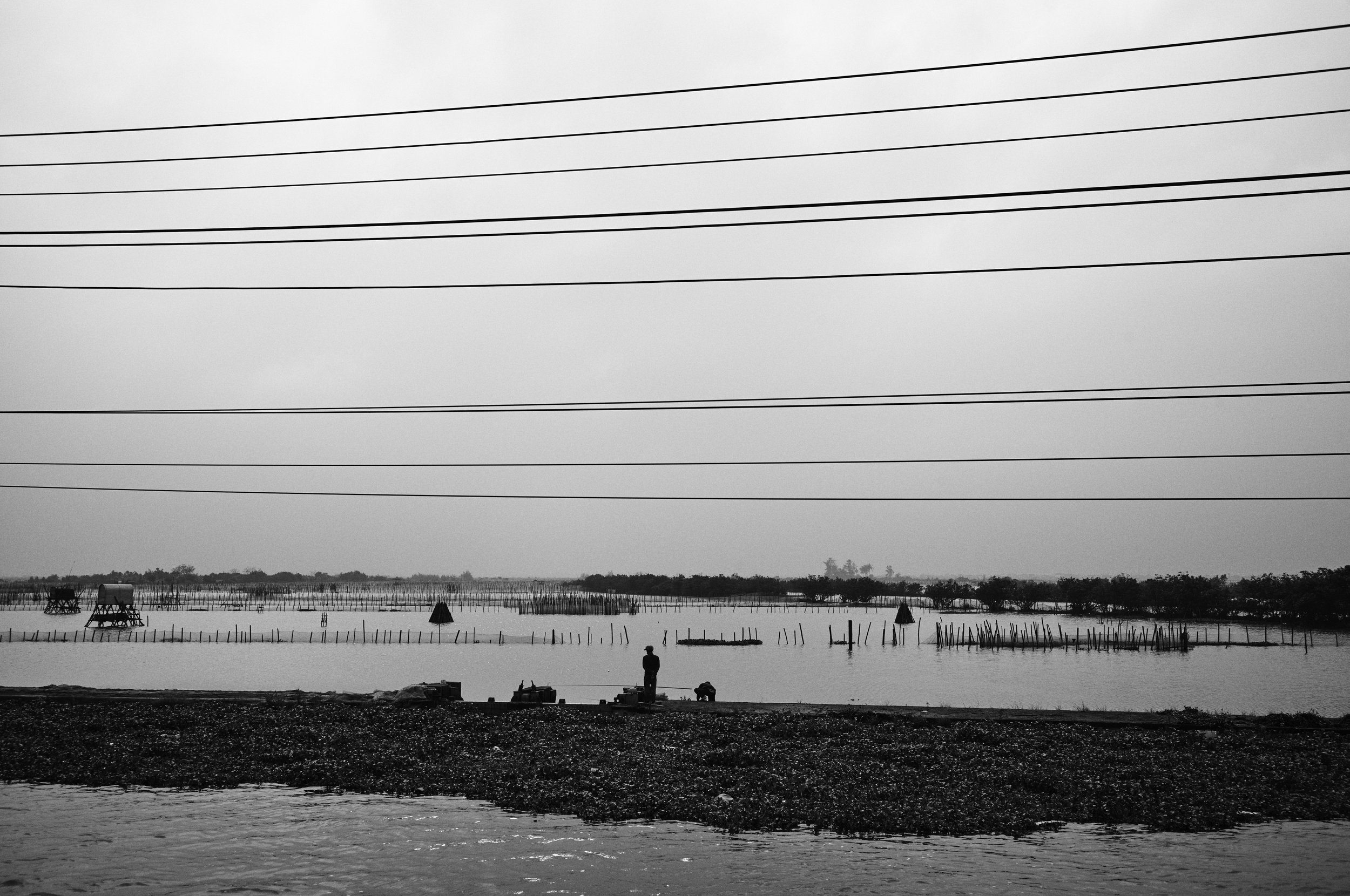
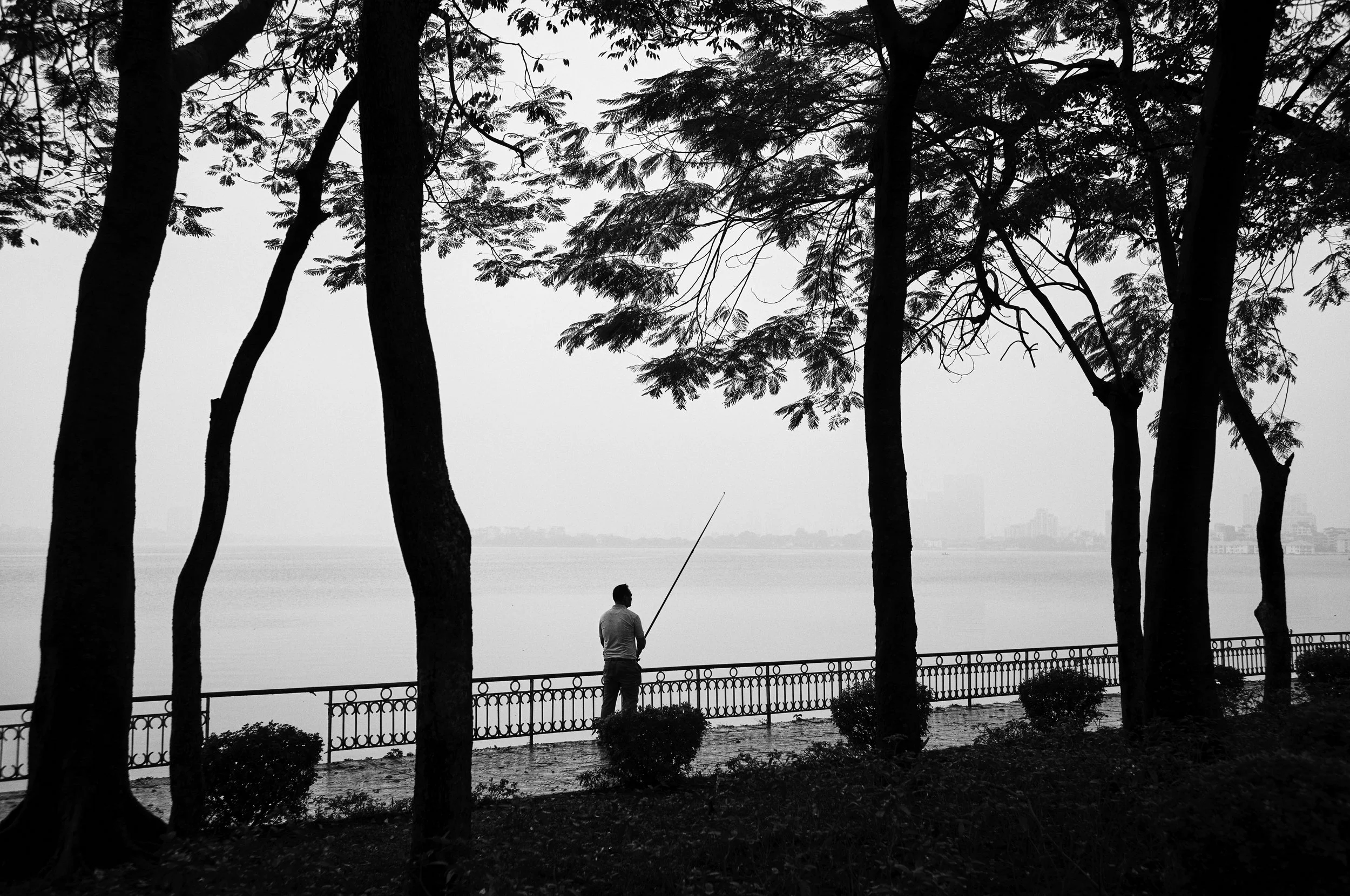
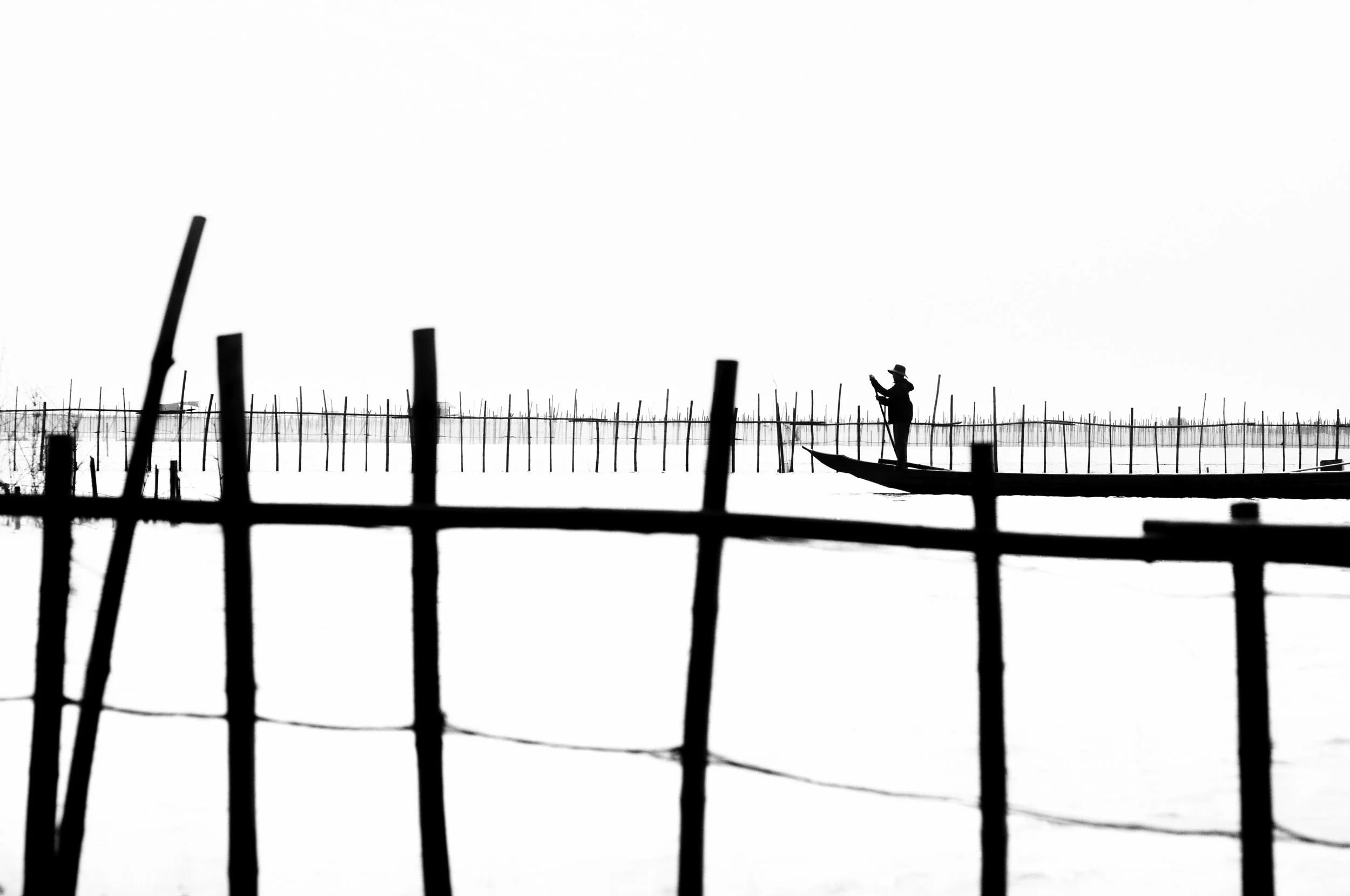
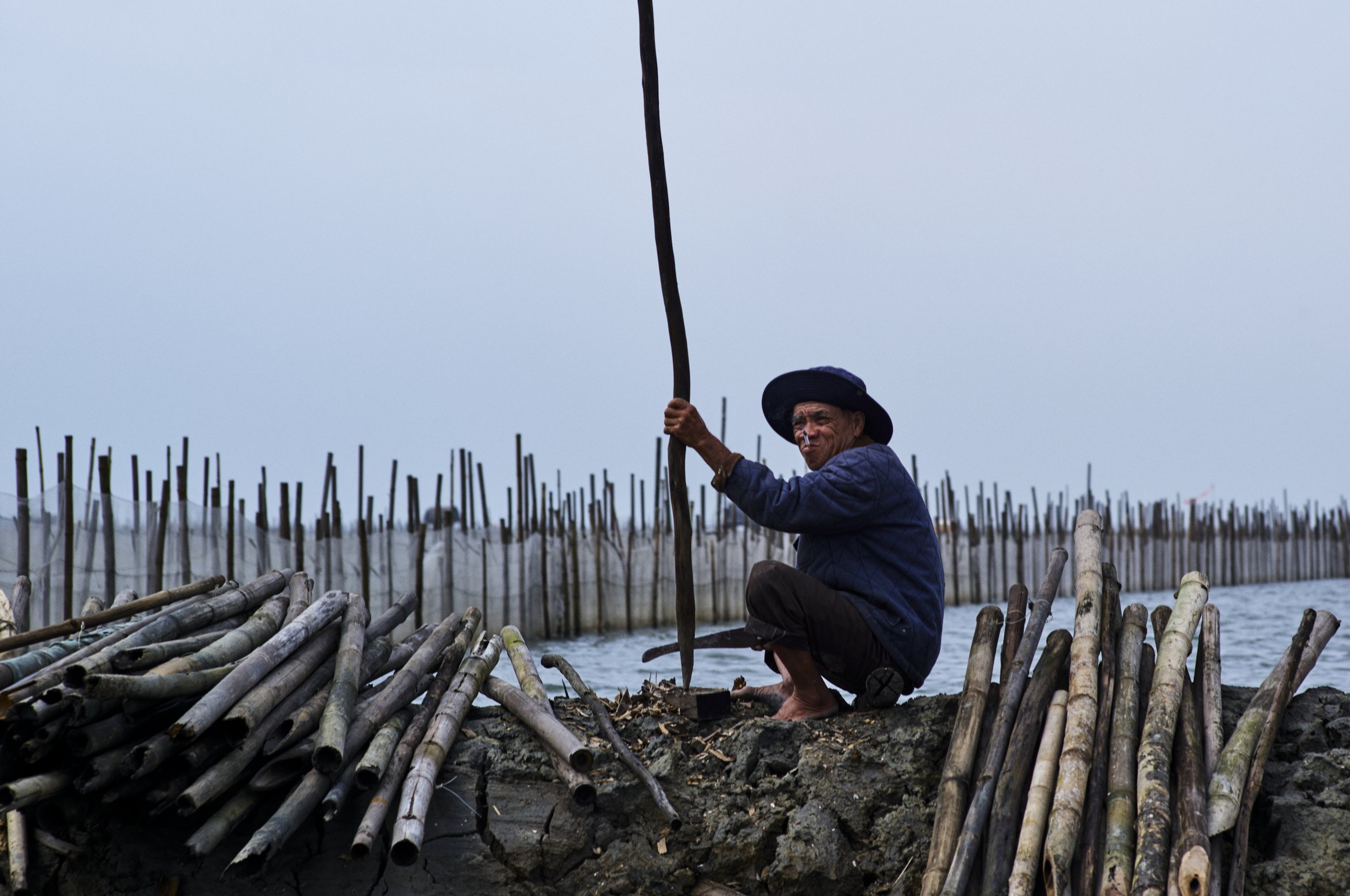
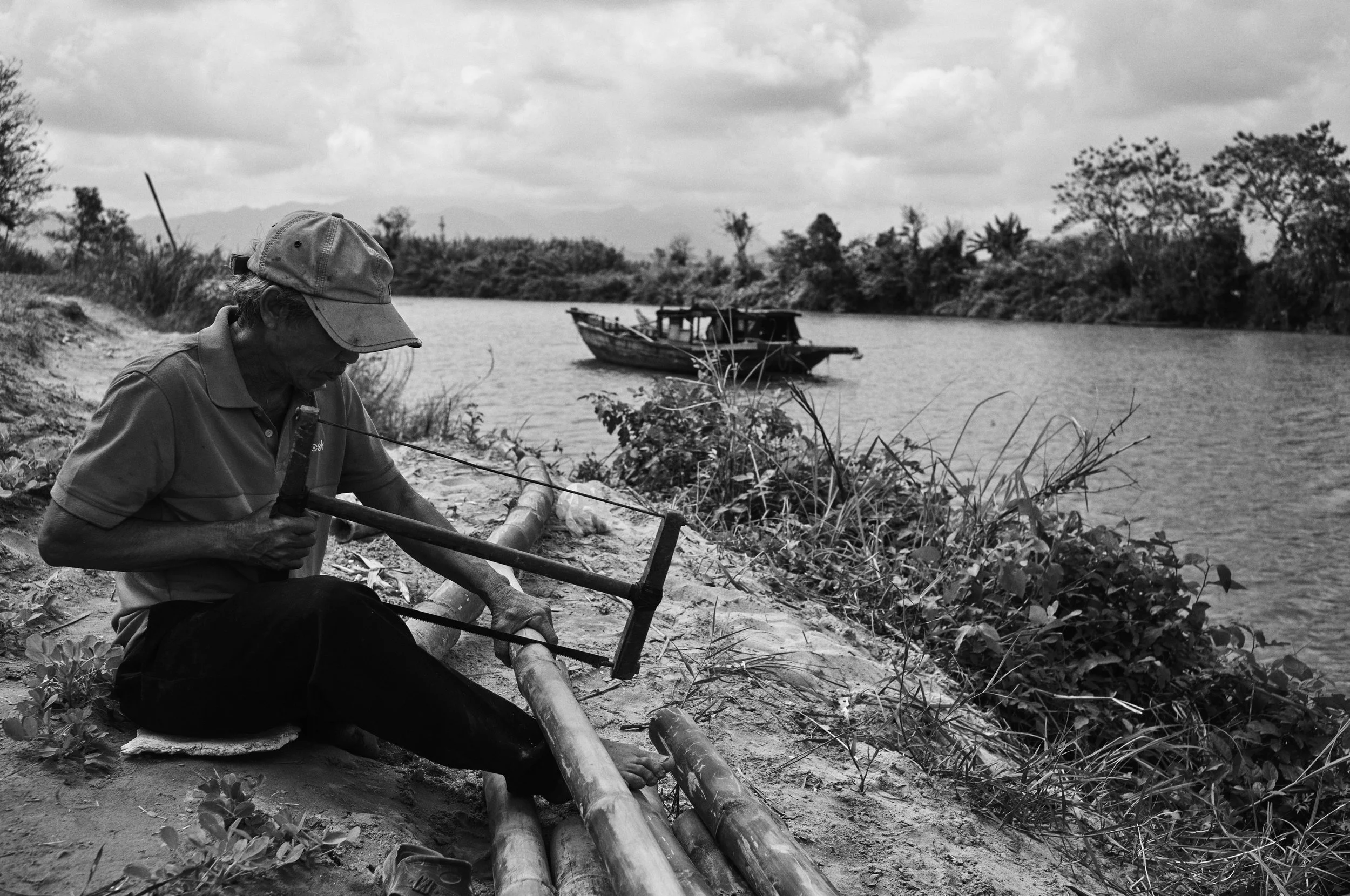
For countless generations, the Mekong River flows carrying the rich soil that fertilises the lush delta. In the floodplain of Thói, Vietnam, there stands a fishing village, no one notices it when seeing the small and worn bamboo boats. This area once abounded with fish; it was enough to wait for low tide and cast the net. The fields were cultivated for a single harvest, then flooded, so that they could become the ideal environment for shrimp and crabs. Their life seems peaceful, however from around 30 million, it has risen to 80 million people. The economy grows, but food is scarce. More modern fishing methods have begun to be used, the fields are polluted by toxic pesticides that lead to the destruction of the ecosystem. The profession of fisherman is disappearing.
To renounce the craft? It is the most difficult question of their lives.
In this project I wanted to tell one of the many stories of the Vietnamese people, who find themselves forced to face a catastrophic environmental crisis.
During my journey I had the chance to admire wonderful landscapes, so beautiful that I often wondered if they were real. However, for the inhabitants of the country it has now become a habit to burn waste and rubbish along the roads, perhaps as if thinking: “if I no longer see it, the problem does not exist”.
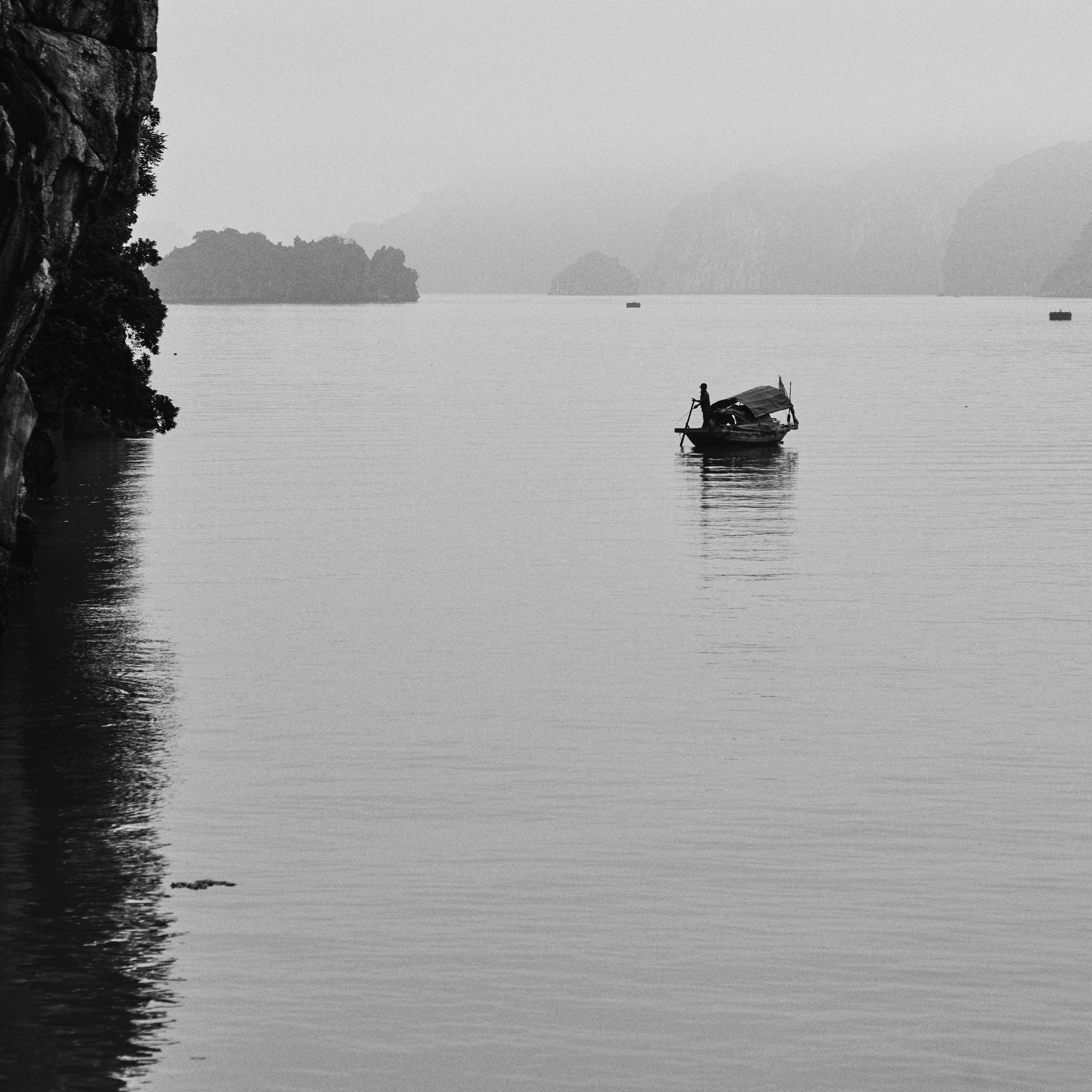
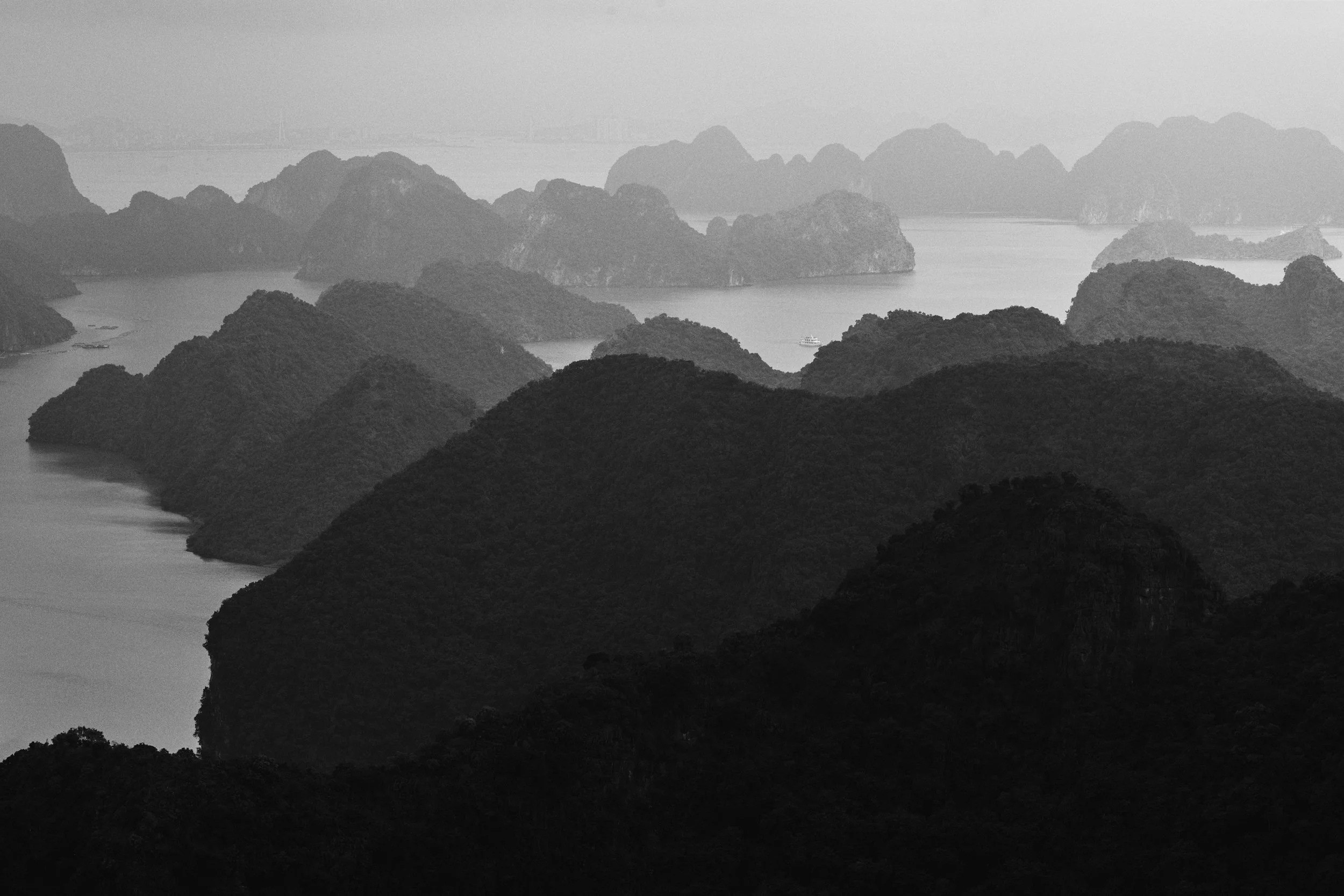
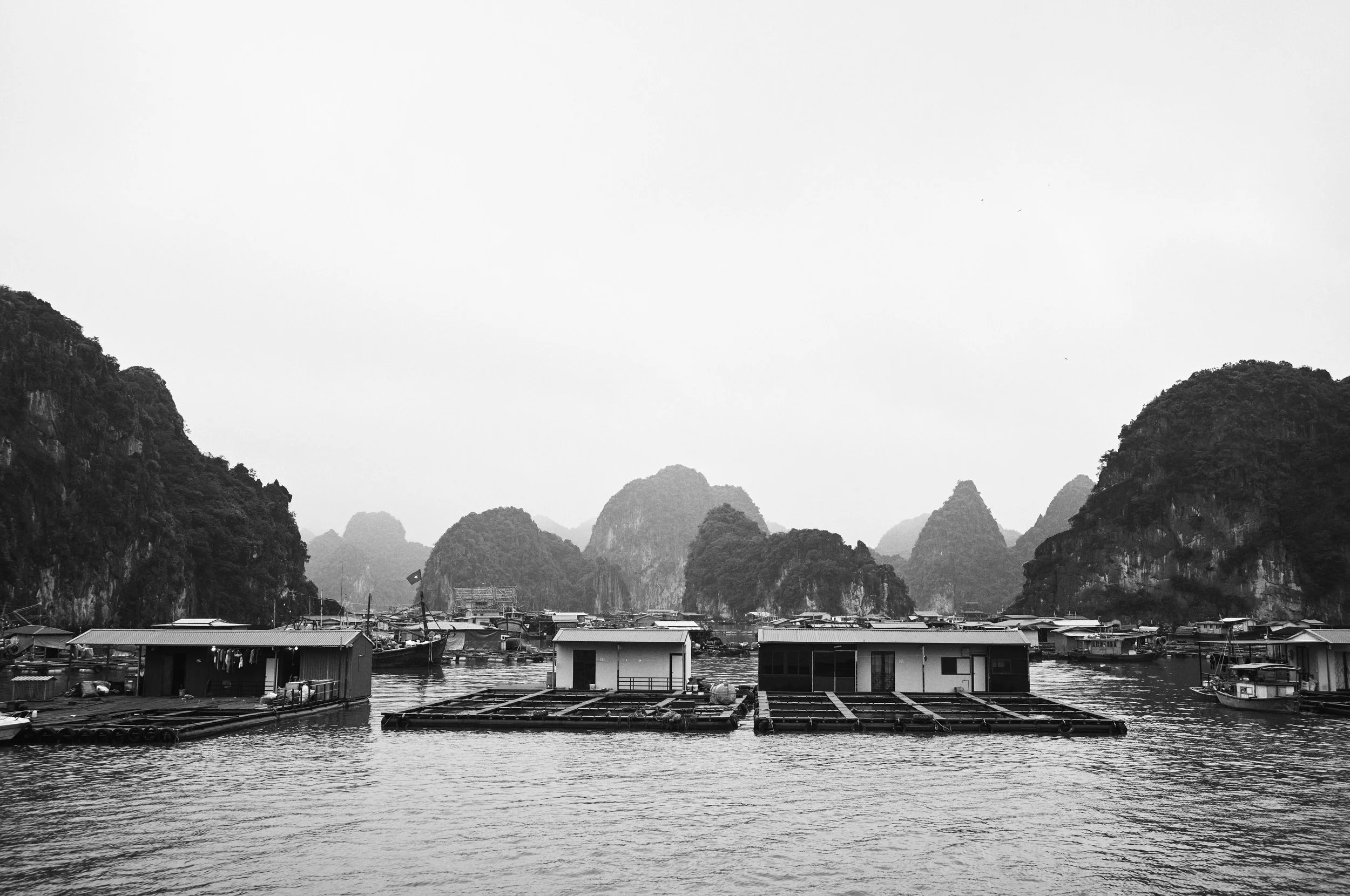
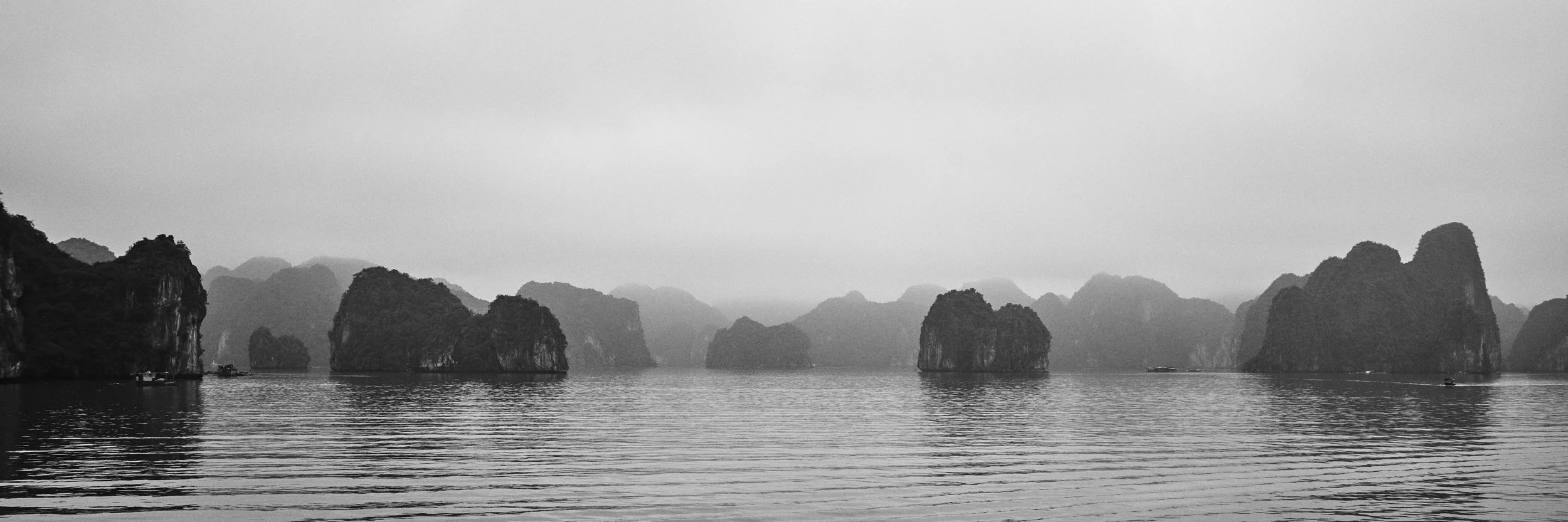
I was particularly struck when visiting Lan Ha Bay, smaller and less famous compared to Ha Long Bay, which I explored by kayak. Nature, here, has been deprived of its purity mainly due to mass tourism. From my kayak I saw first-hand four-storey cruises moving among the splendid “floating mountains” polluting the waters, releasing oils and other toxic materials. Every kind of waste floated around me: cans, pieces of polystyrene, plastic bottles, toothbrushes. In my own small way, I wanted to do something so that this might change and I collected all the waste I could, on my kayak. Unfortunately this gesture does not change reality, however this experience pushed me to look for other similar situations, which over the years have influenced the lifestyle and work of farmers, fishermen, artisans, and many others.
From here, my project takes its title: Renounce the Craft?
The question mark is meant to be crucial, to place emphasis on these realities which, certainly, have had to adapt to changes, but which today – perhaps – are no longer able to keep up with the rapid transformation of the times and so, find themselves forced to abandon those trades they had carried on for generations.
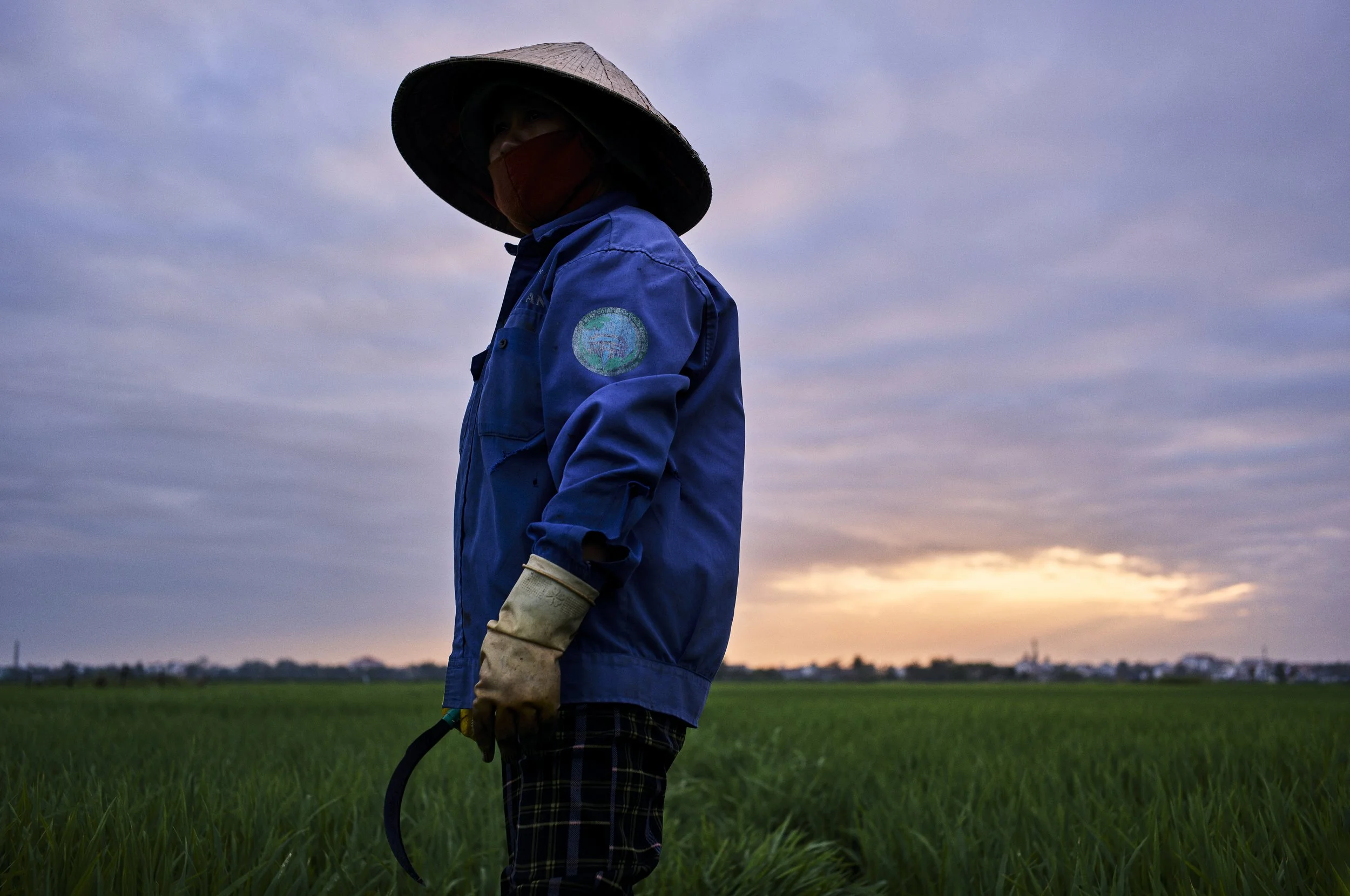
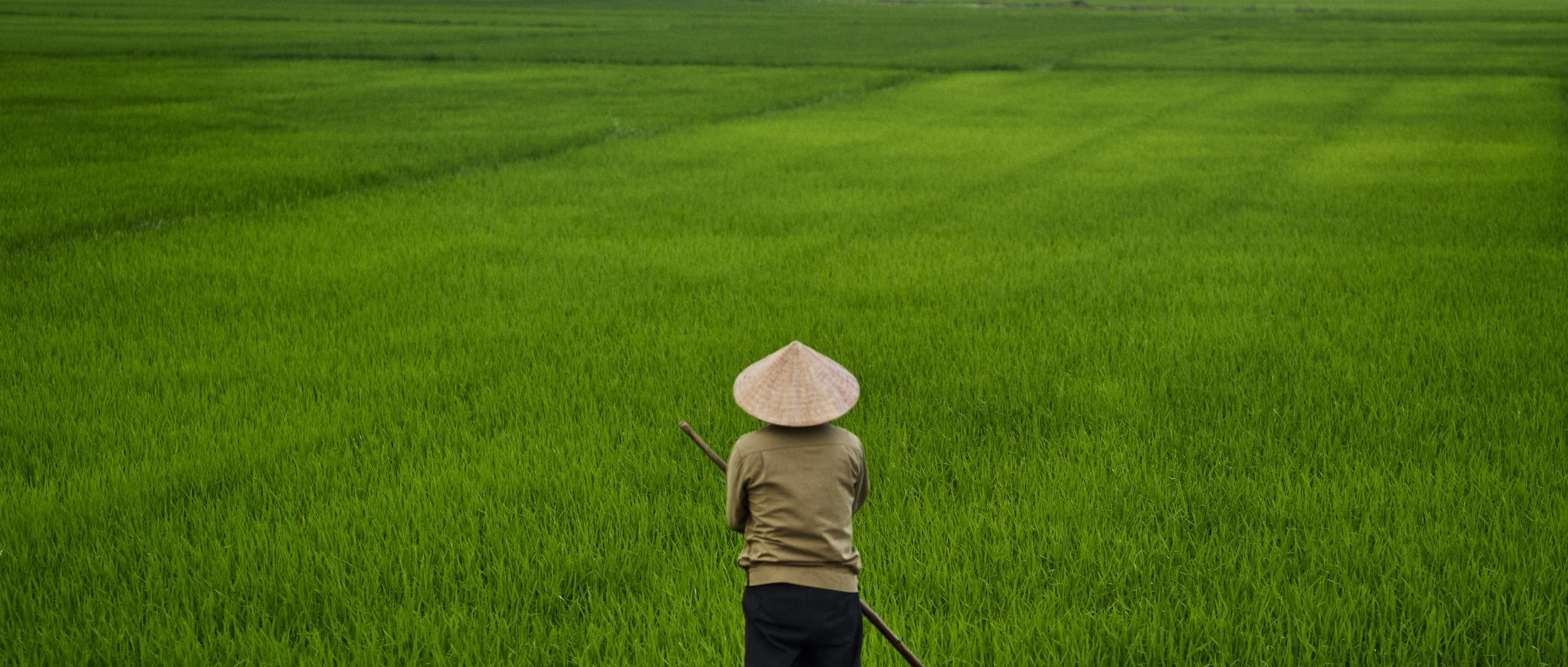
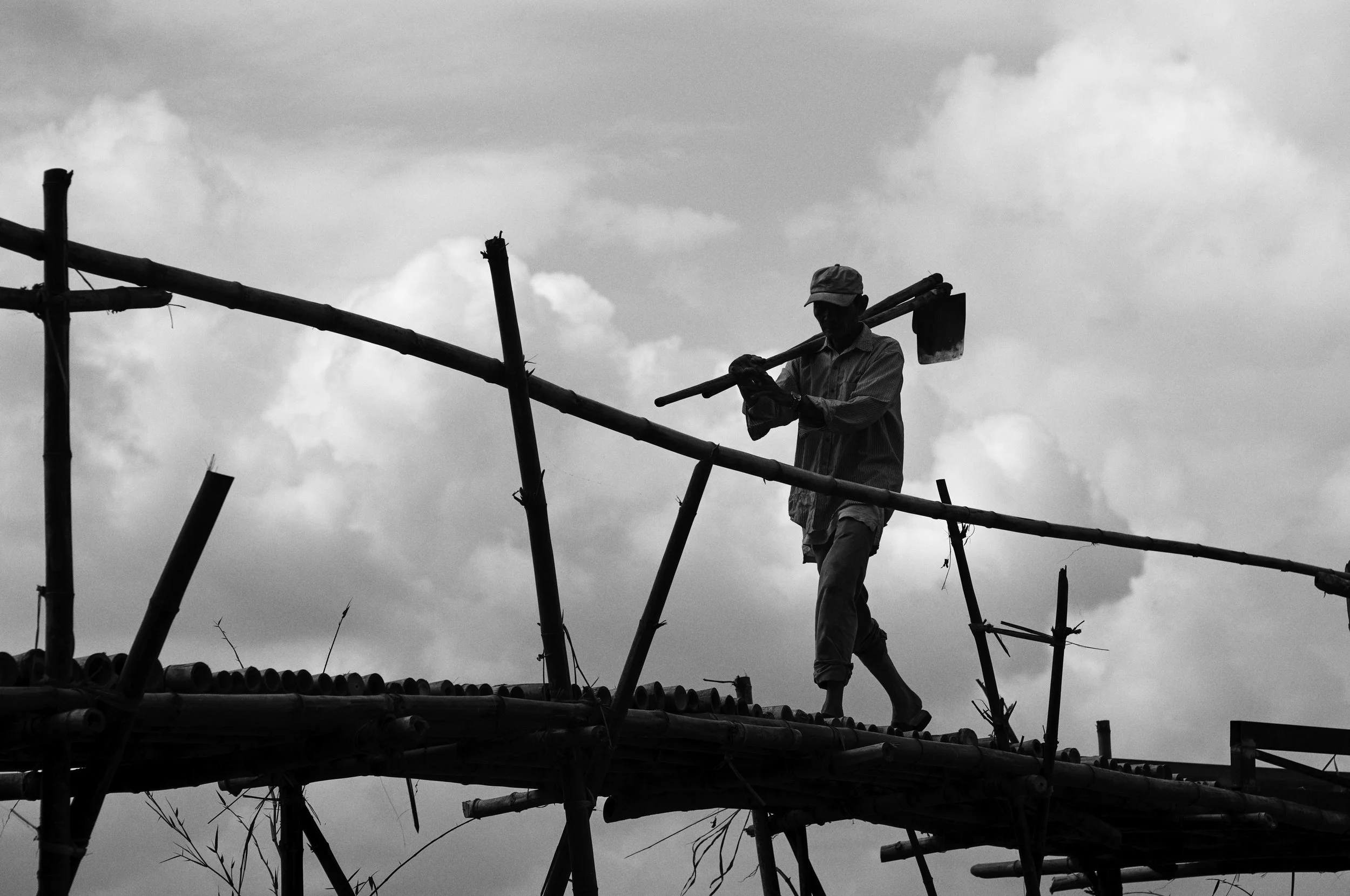
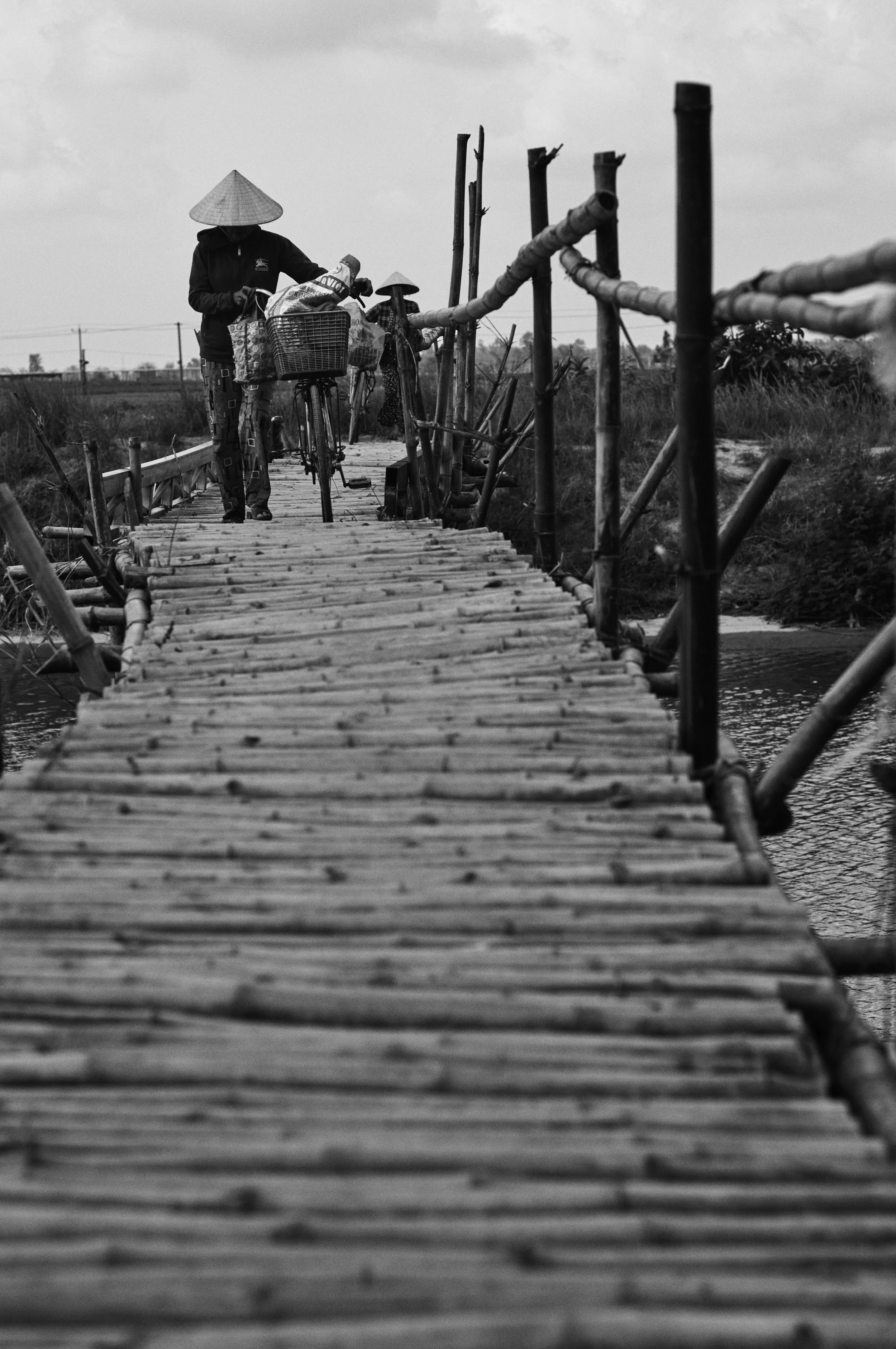
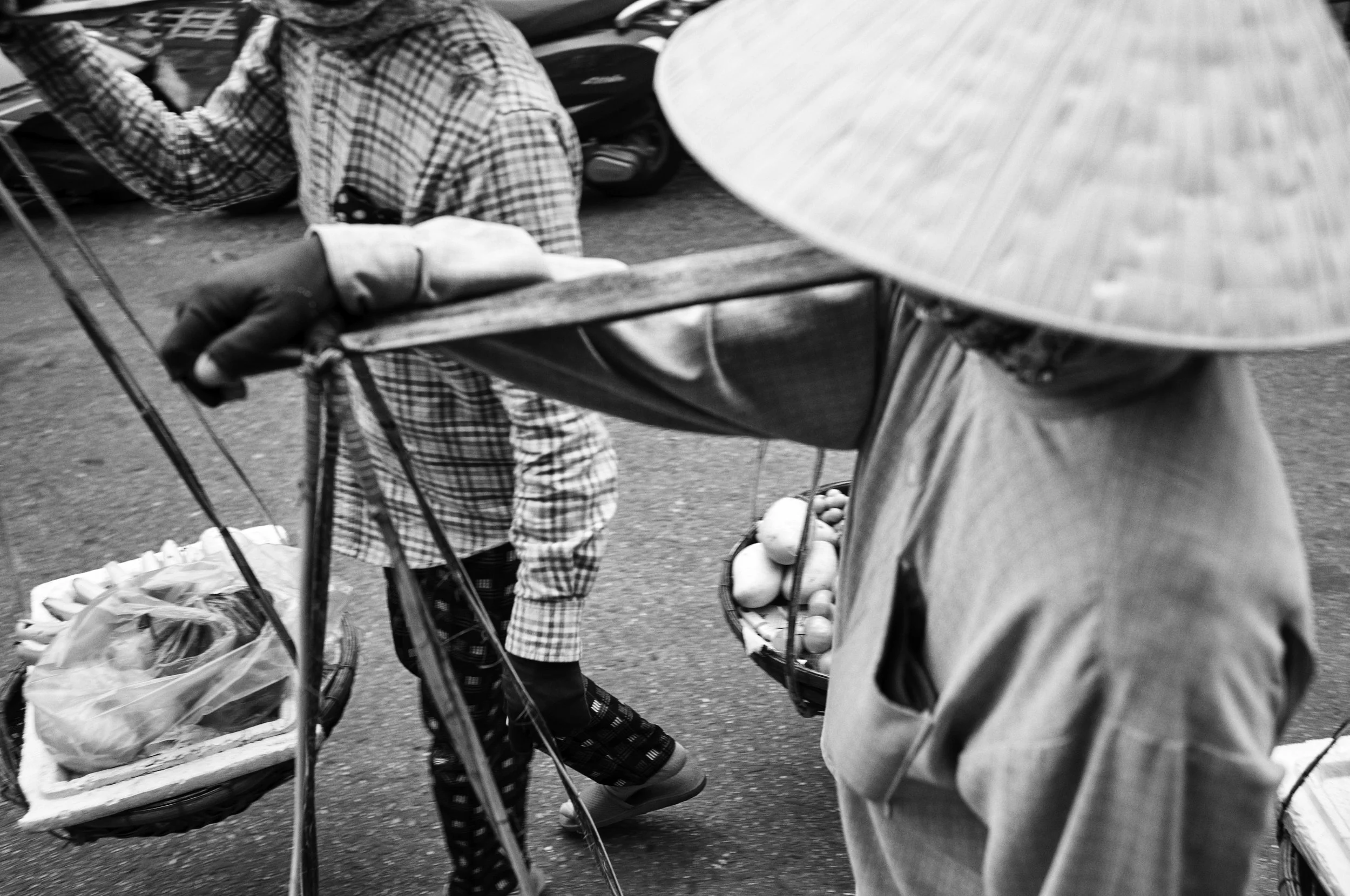
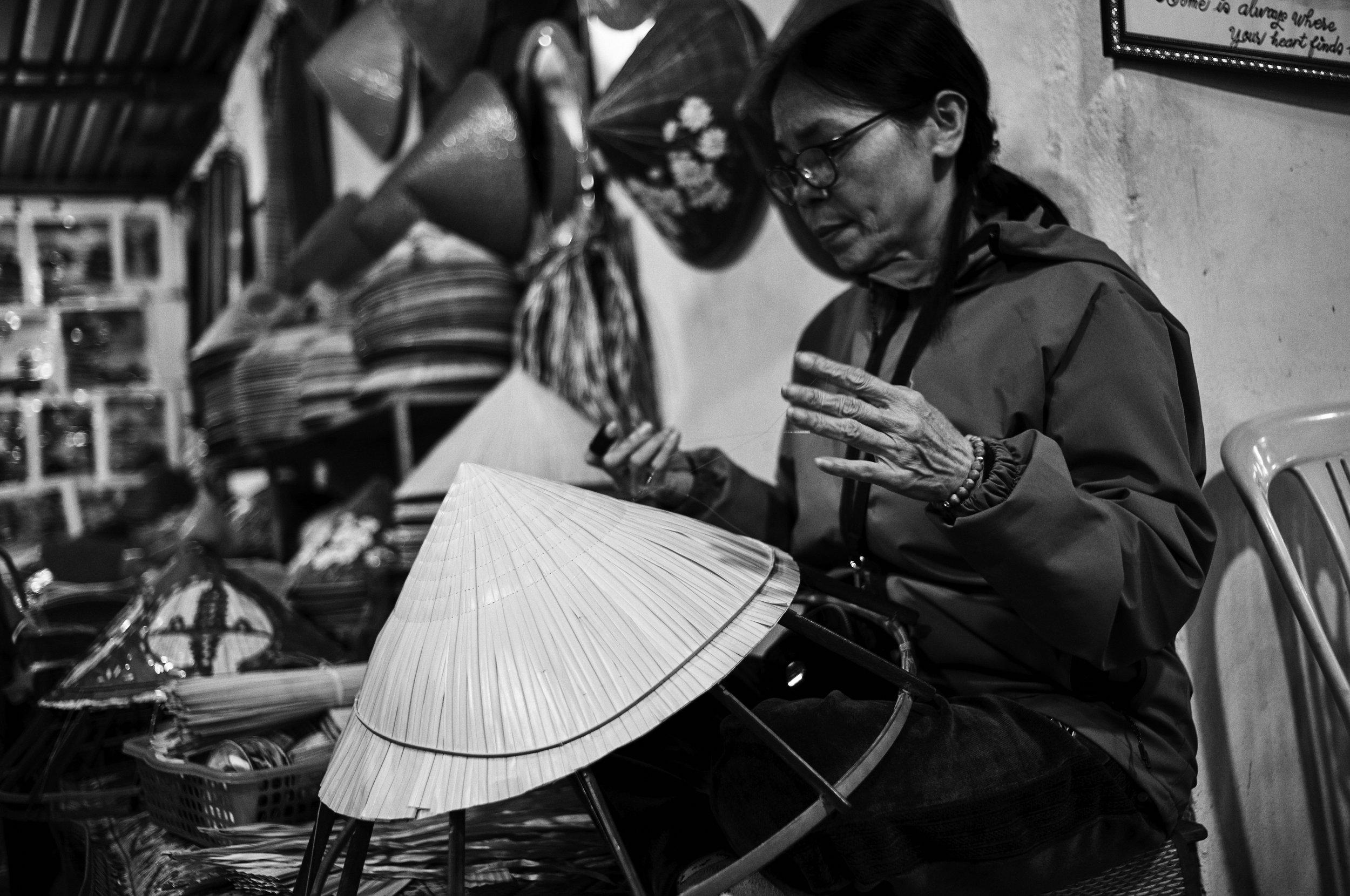
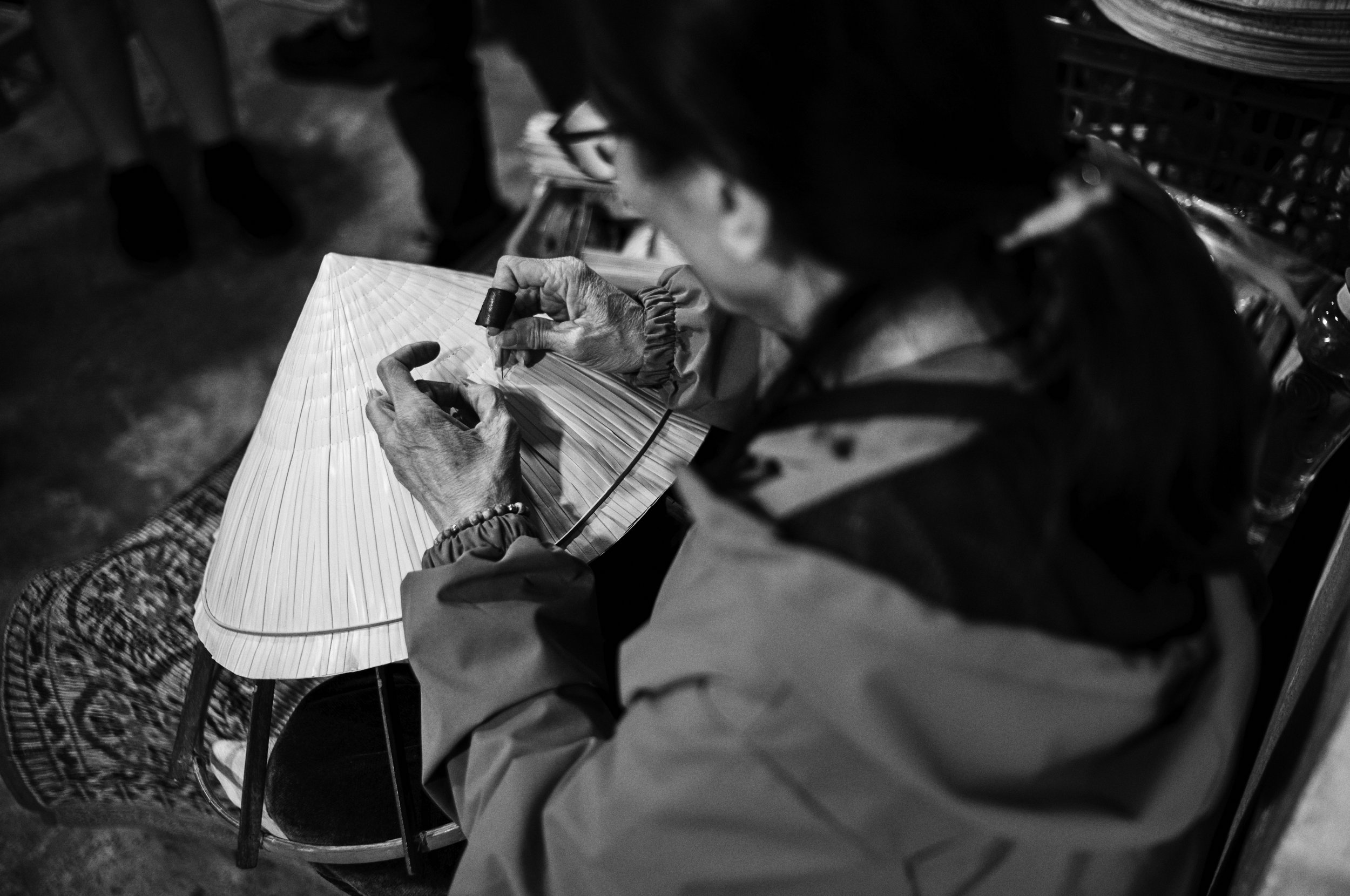
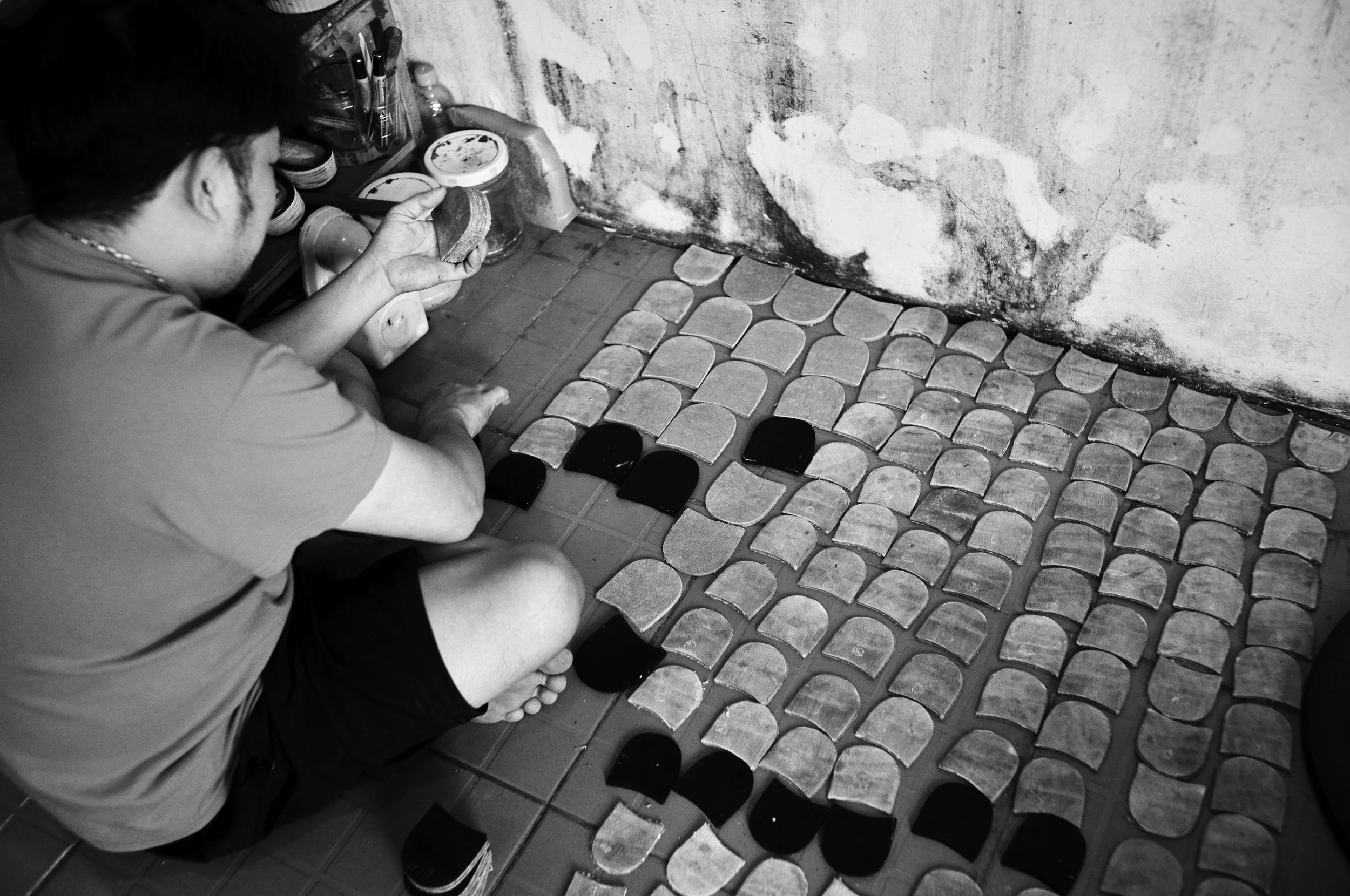
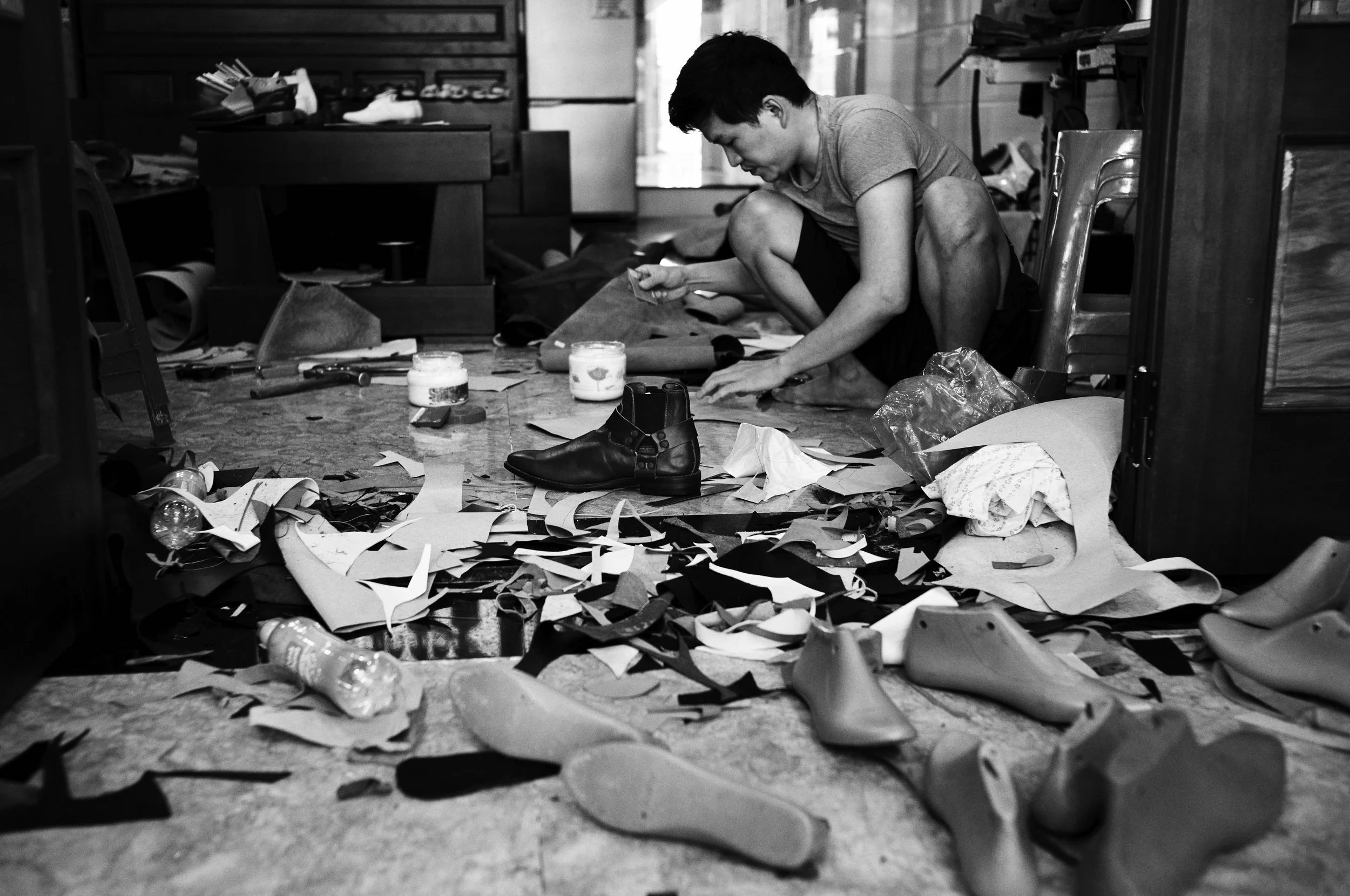
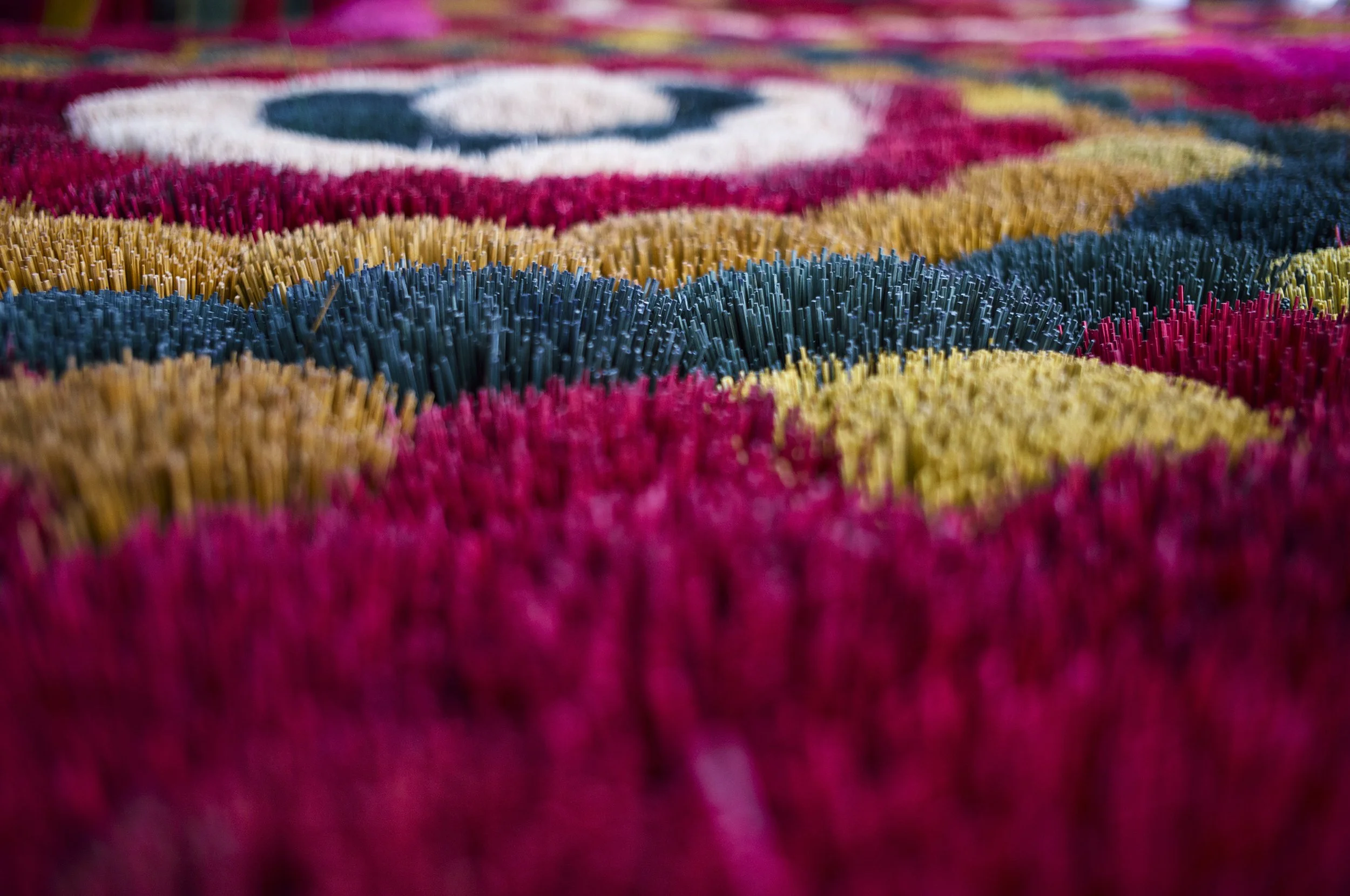
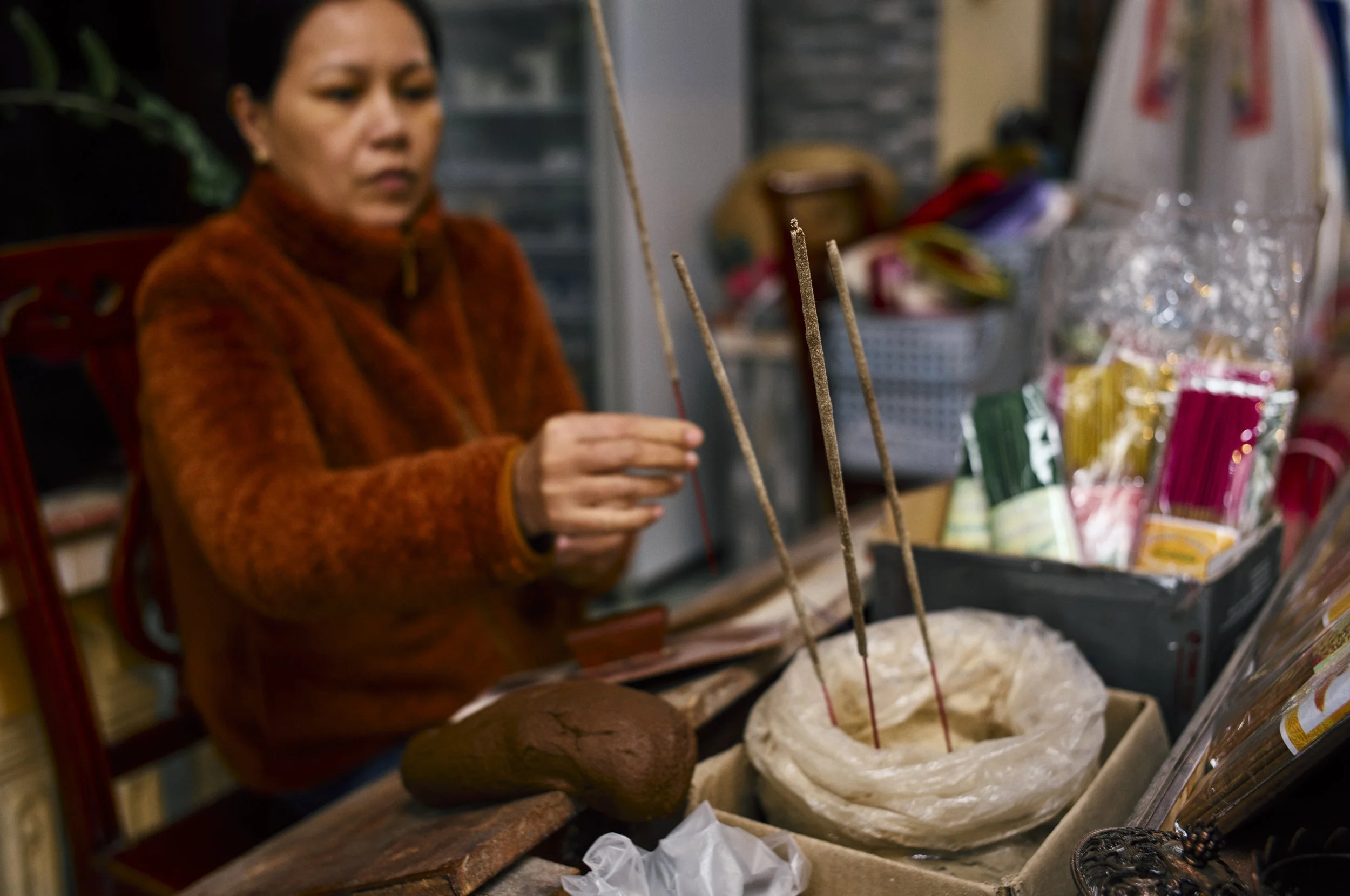
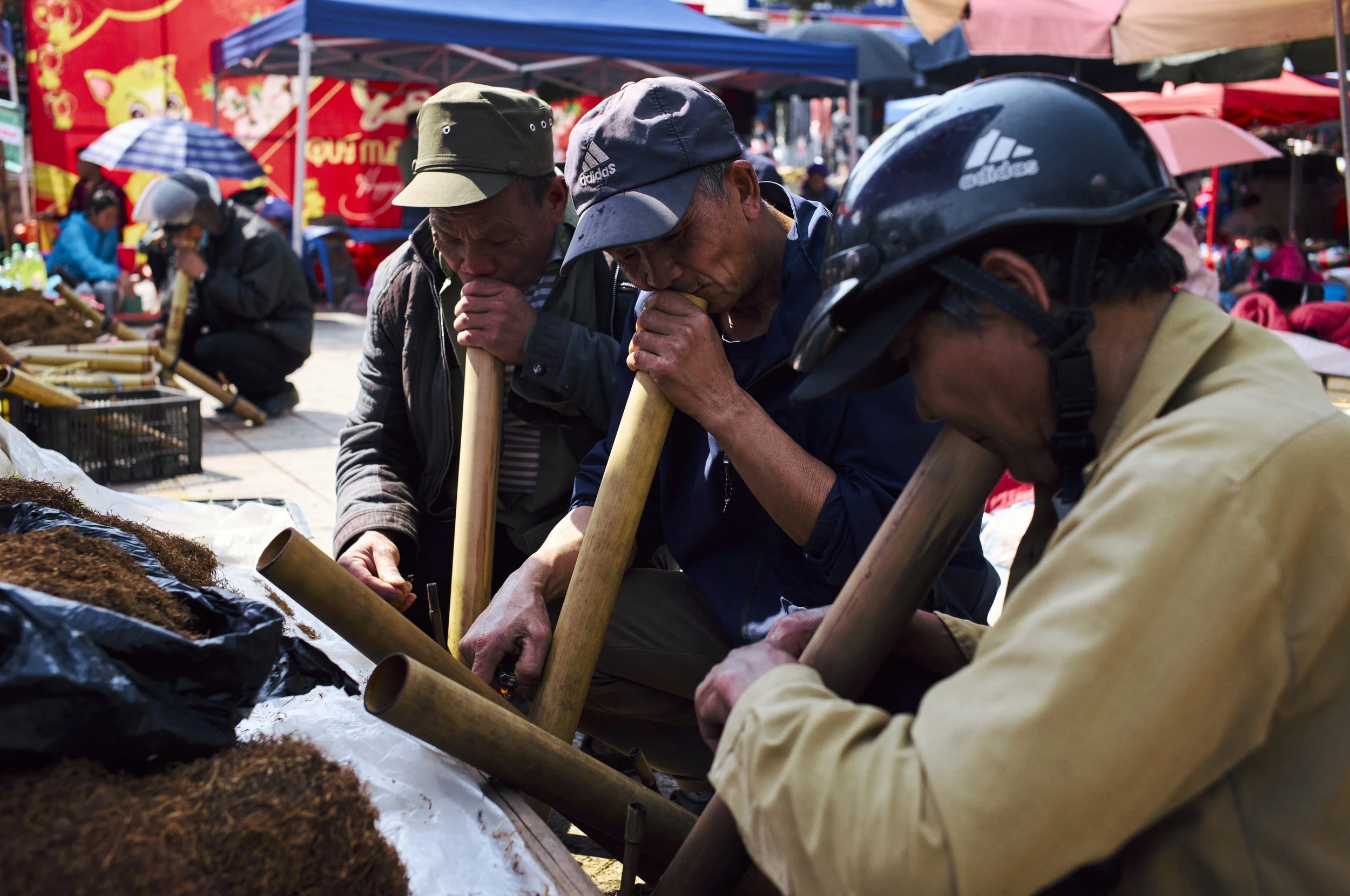
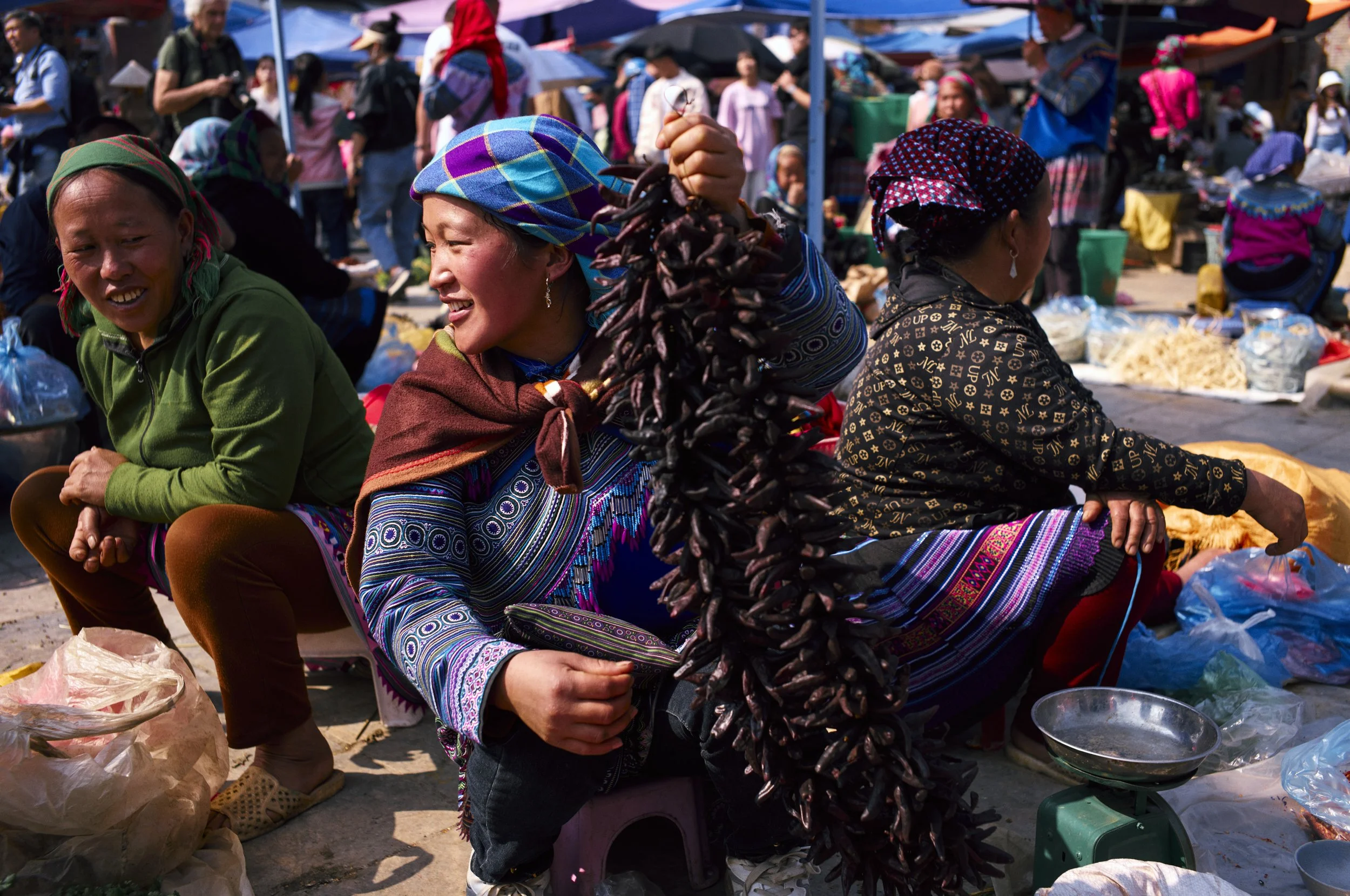
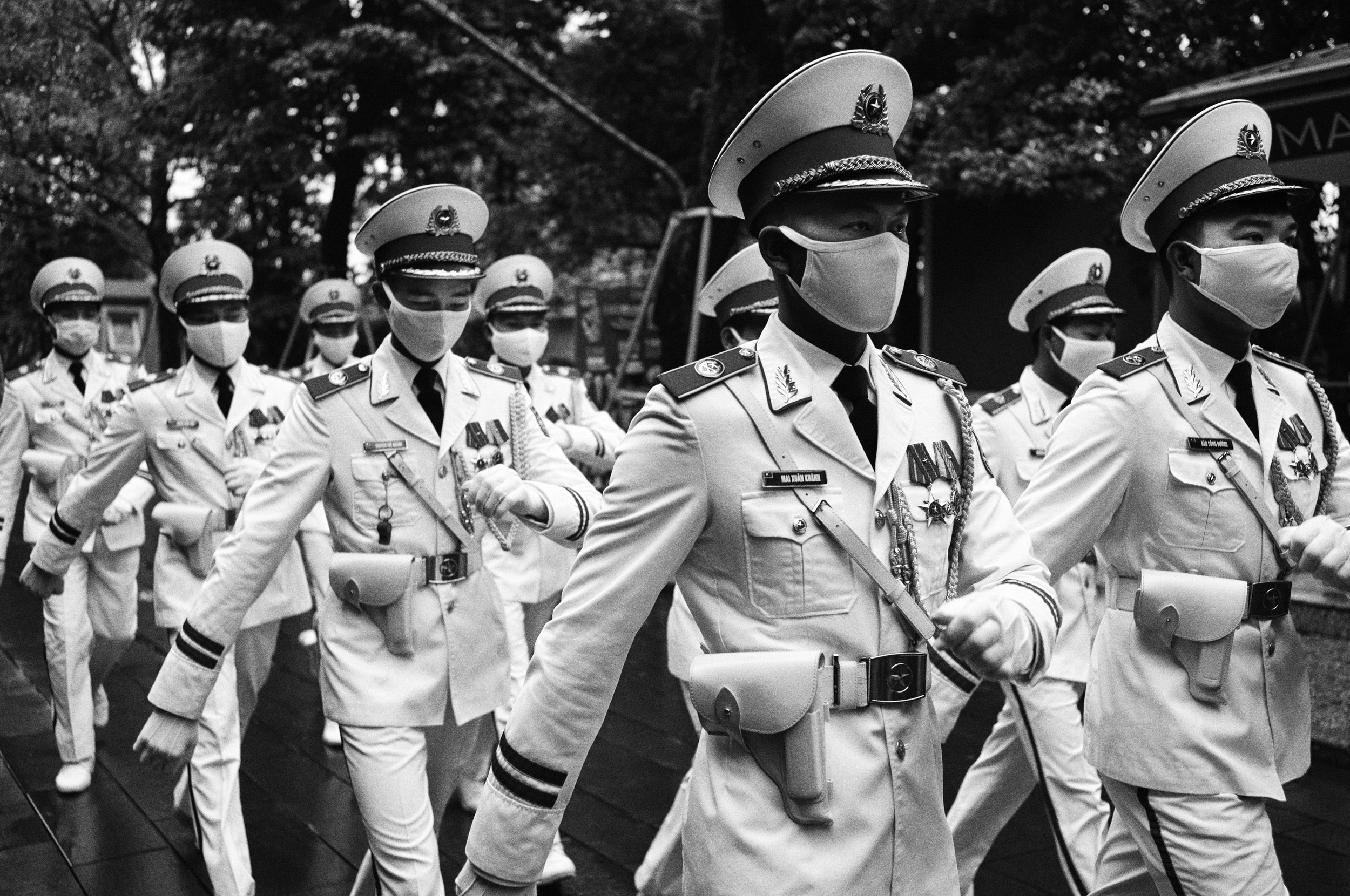
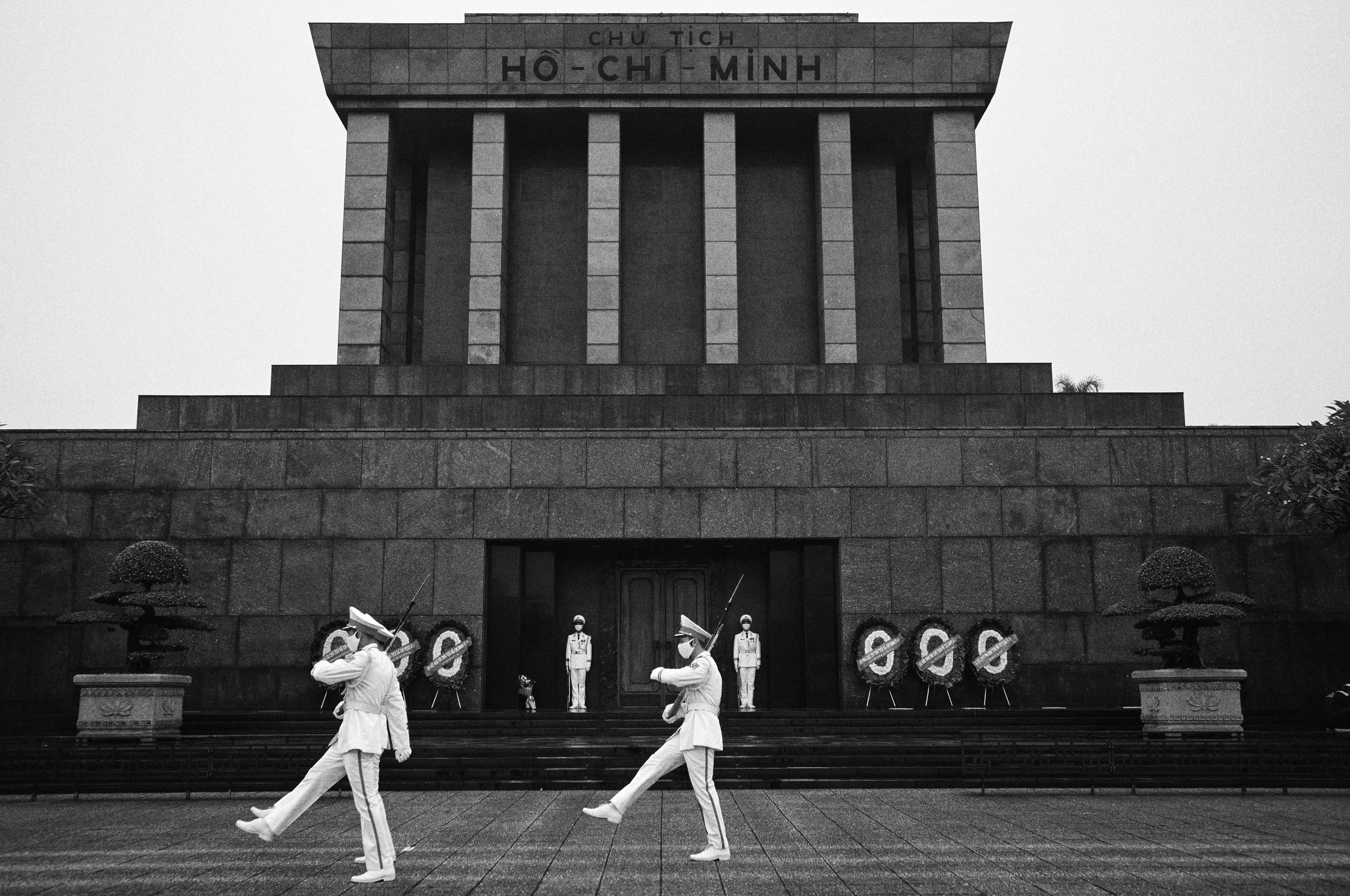
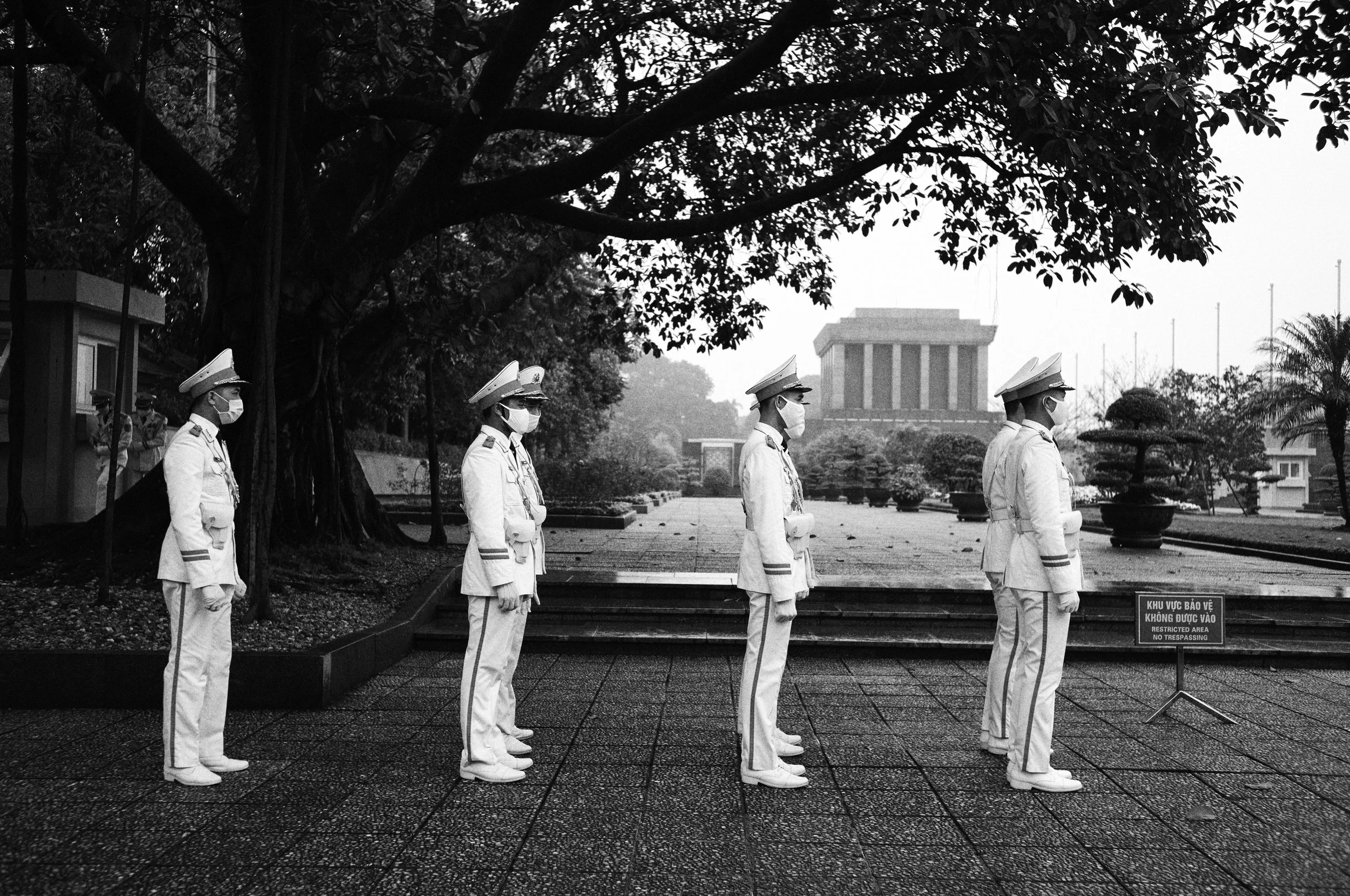
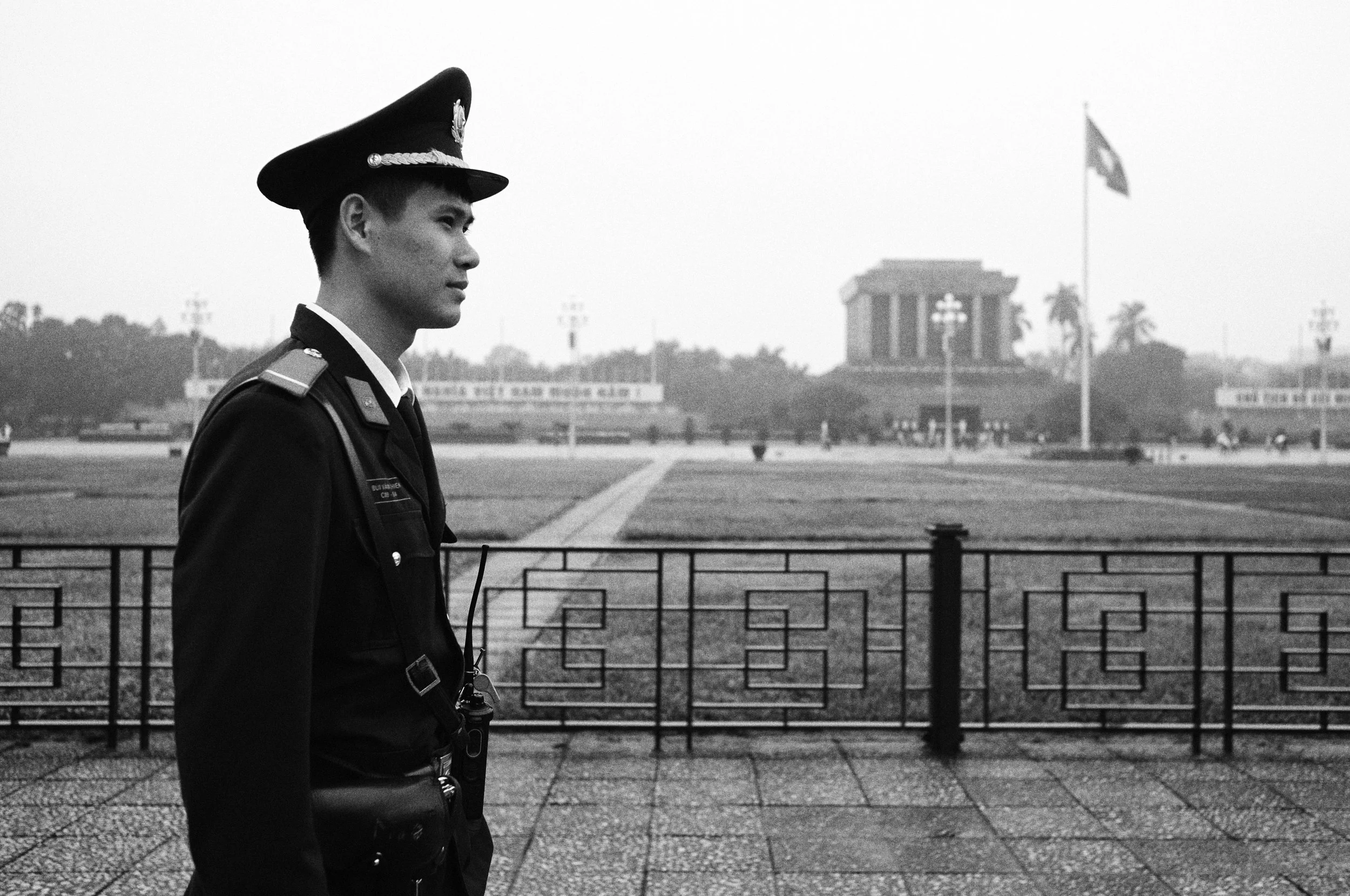
In this work I wanted to tell the stories of the Vietnamese people: of those who work the land, of those who cast their nets, of the merchants who sell their products, of the women who make the “dǒu lì” — the famous bamboo hats —, of those who prepare incense sticks; as well as the soldiers who guard the Ho Chi Minh Mausoleum, of those who make shoes, and of all those people who live every day immersed in the traditions of the country.
I did this through 30 interconnected images, readable as part of a whole or individually, to bring us closer to words that are not spoken, but which nonetheless take shape within us.
The stories behind these images speak of truth, of everyday life, with a simplicity that quietly seeps in and leaves its mark. The images become paintings on an impressionist canvas: they seek nothing more than to tell what I encountered before my eyes, imposing my point of view on the viewer, forcing them to observe what I saw, as I saw it.
Through my photography, I tried to bring back that hope, that gaze towards the future, that love and passion for a trade, a hard and demanding life. I hope I have managed to convey the strength and the unbreakable bond with the roots of a people who fight every day without pause not to lose their traditions, their identity.